It’s been a hard year for institutions preserving Black history, culture, and memory.
Federal and state funding cuts.
Blatant attempts at censorship.
Philanthropic dollars spread thin.
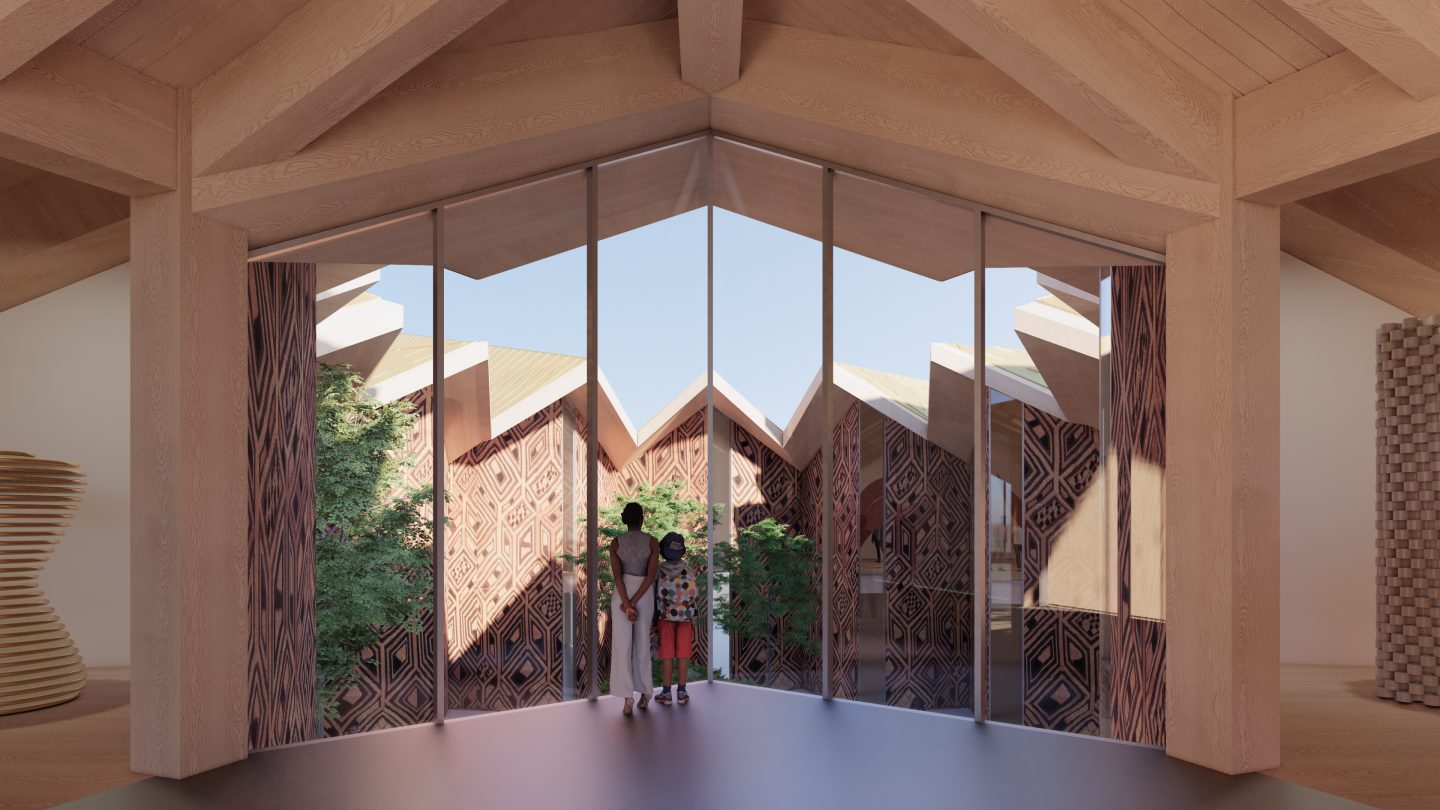
A new cultural institution is never just a building. It is an act of freedom expressed through space.
It’s been a hard year for institutions preserving Black history, culture, and memory.
Federal and state funding cuts.
Blatant attempts at censorship.
Philanthropic dollars spread thin.
But as with past challenges, cultural institutions are responding with dynamism, creativity, and resiliency.
And some are asking a provocative, existential question:
Can we be more than stewards of history, and become community agents of civic and economic change?
At Local Projects, we’ve had the honor of working for four bold client teams who are answering this question with a myriad of bold approaches.
Read on, and if your institution shares similar ambitions, please get in touch.
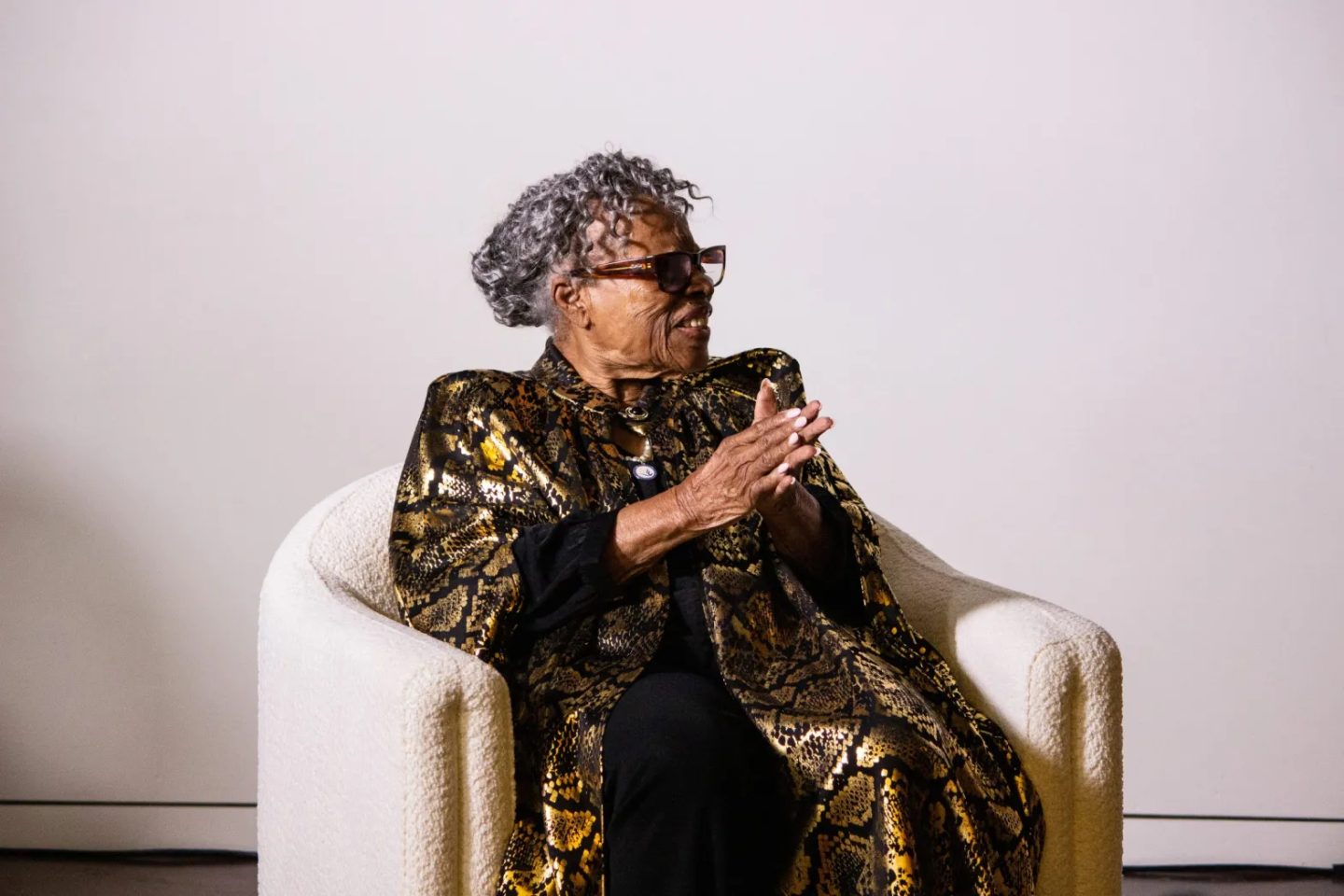
Opal Lee’s activism helped Juneteenth become a national holiday in 2021. Now, we’re fulfilling her vision for a national Juneteenth museum, which broke ground this month in Fort Worth’s Historic Southside.
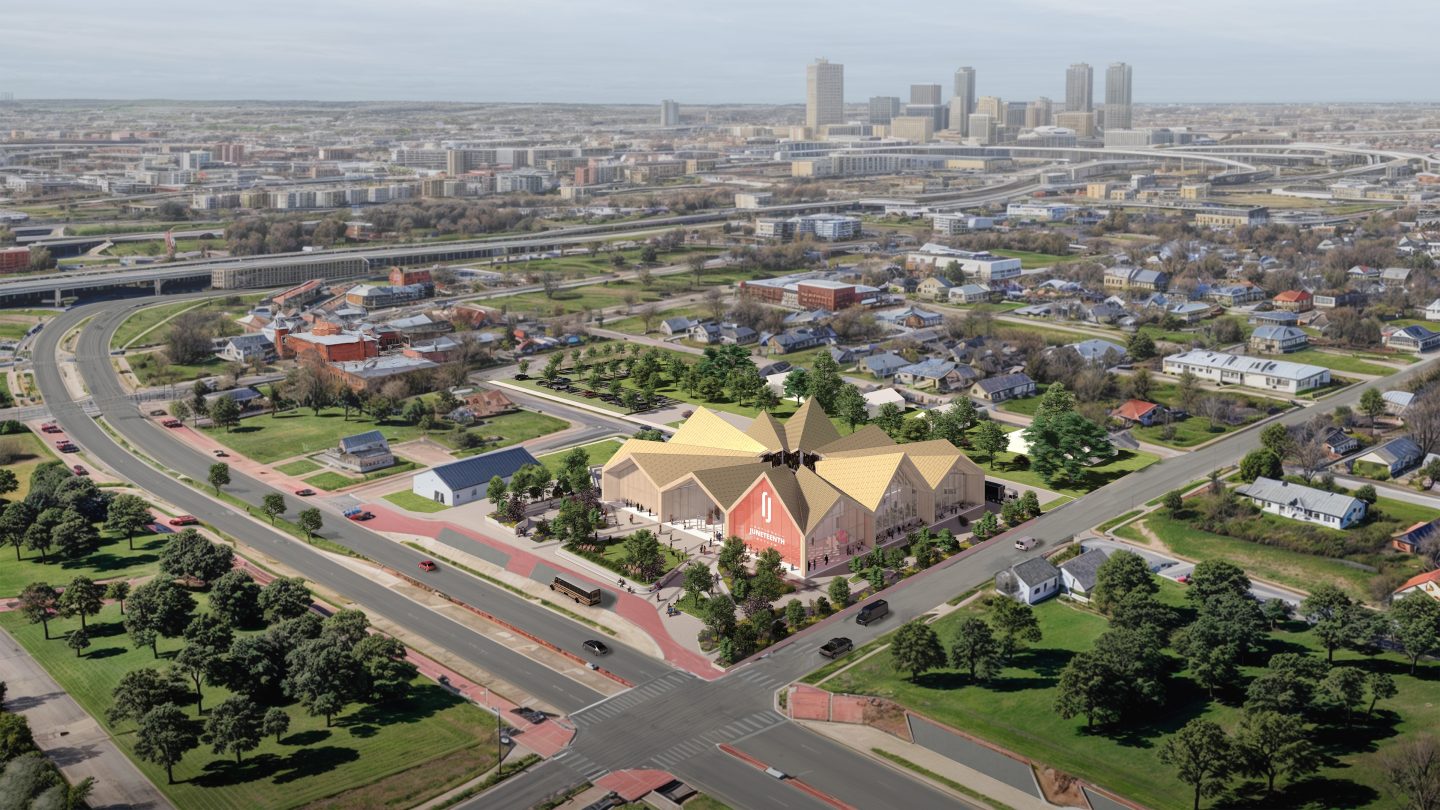
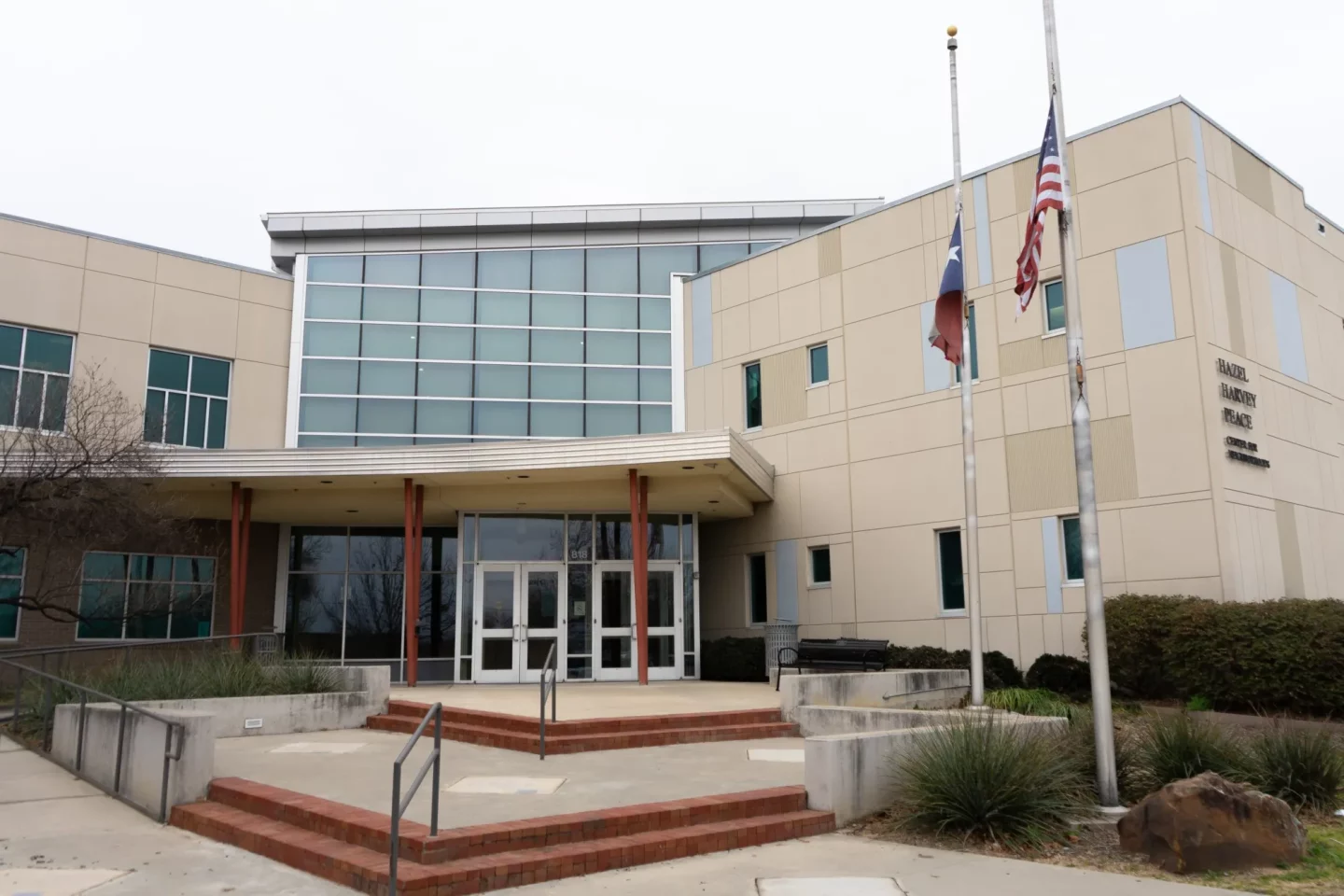
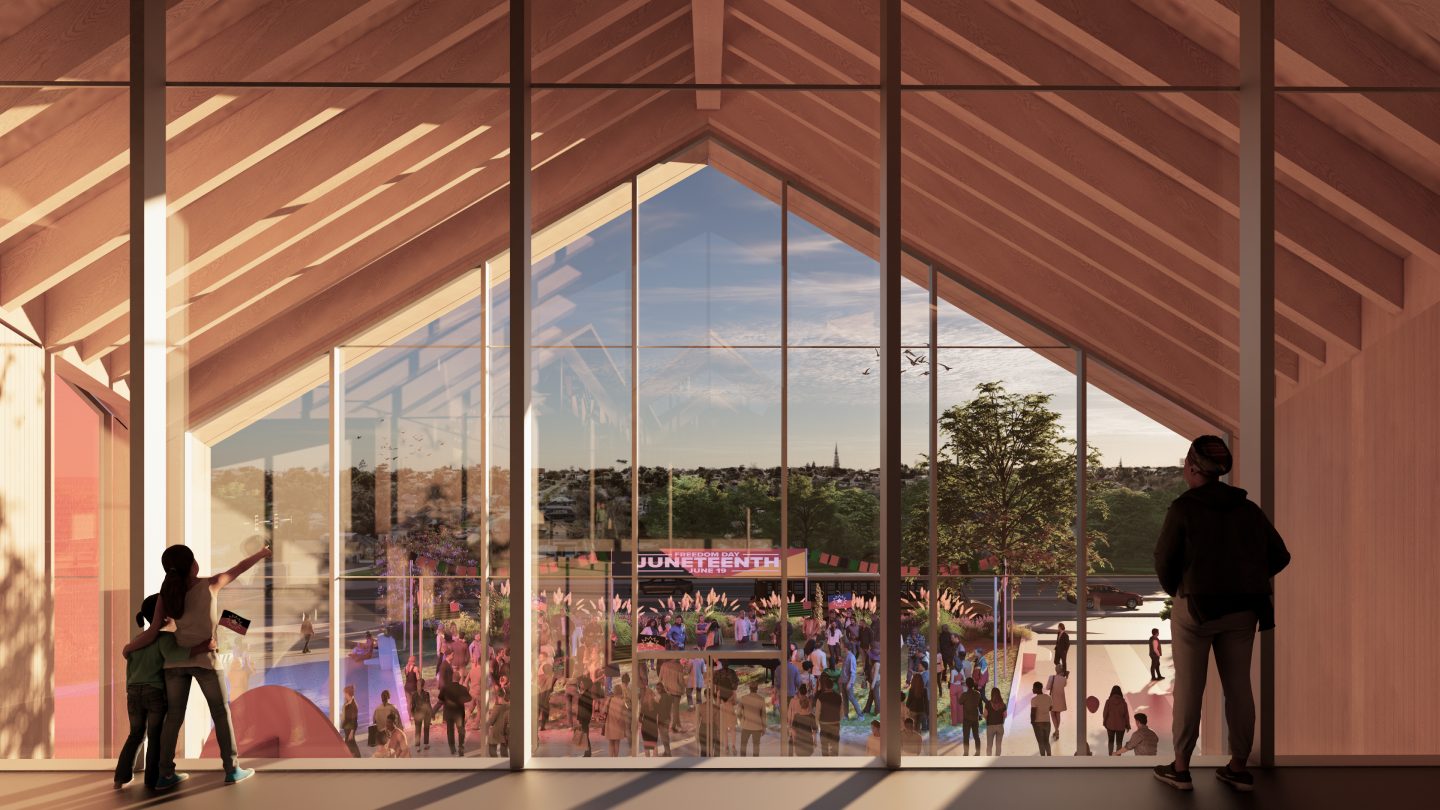
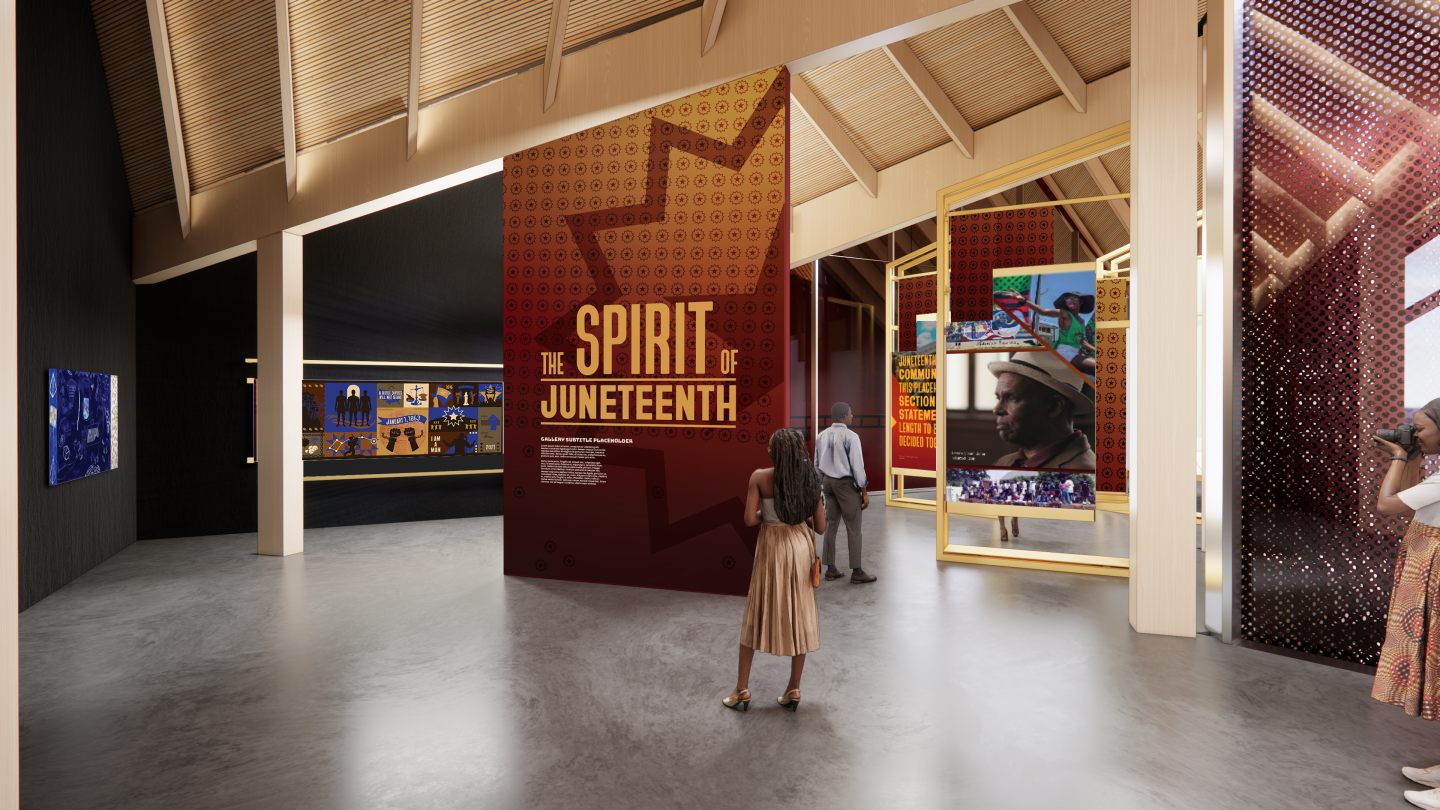
On the location of the now-upgraded and relocated Southside Community Center, the 50,000-square-foot building will include temporary and permanent exhibitions. Our exhibits focus on the diverse celebrations of Juneteenth in communities across the country.
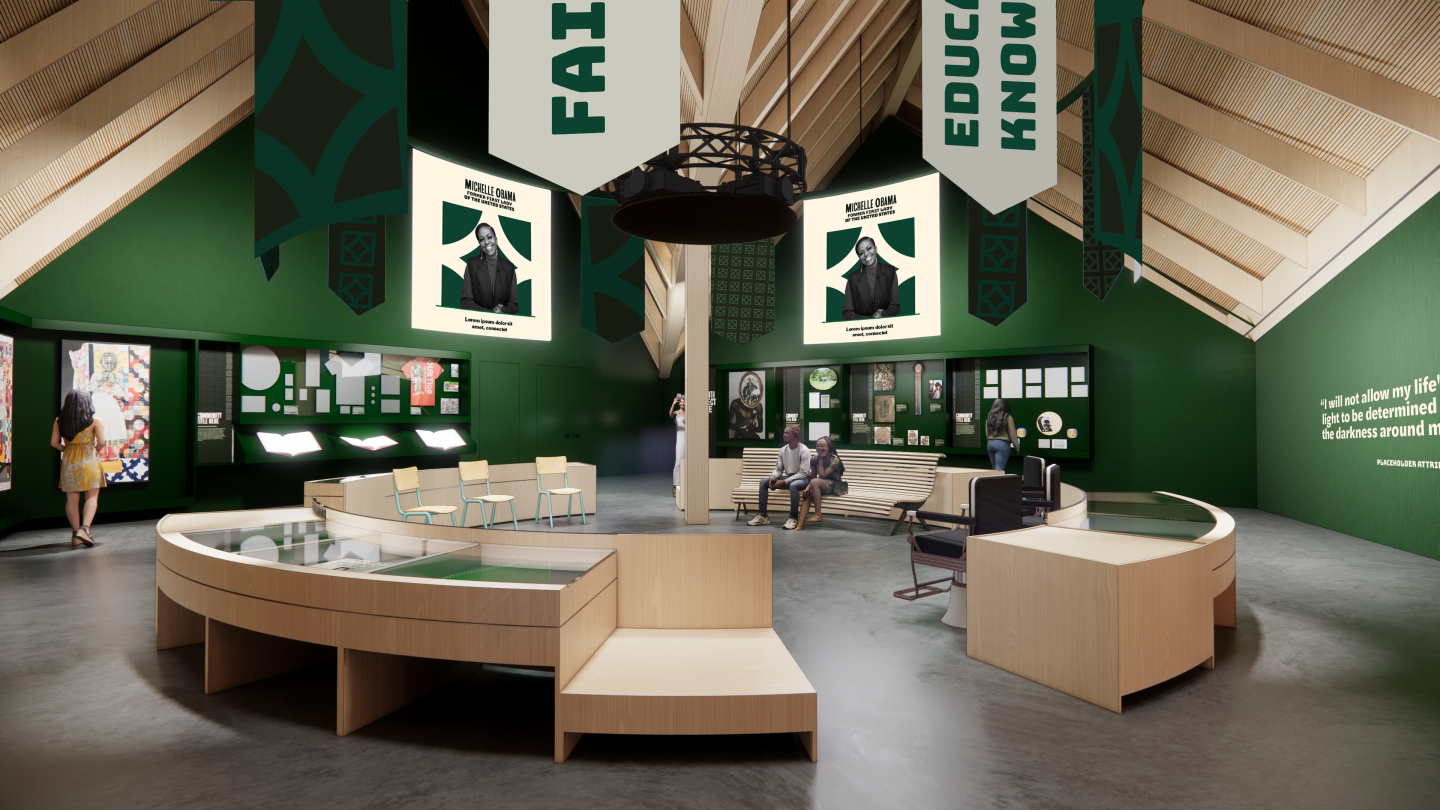
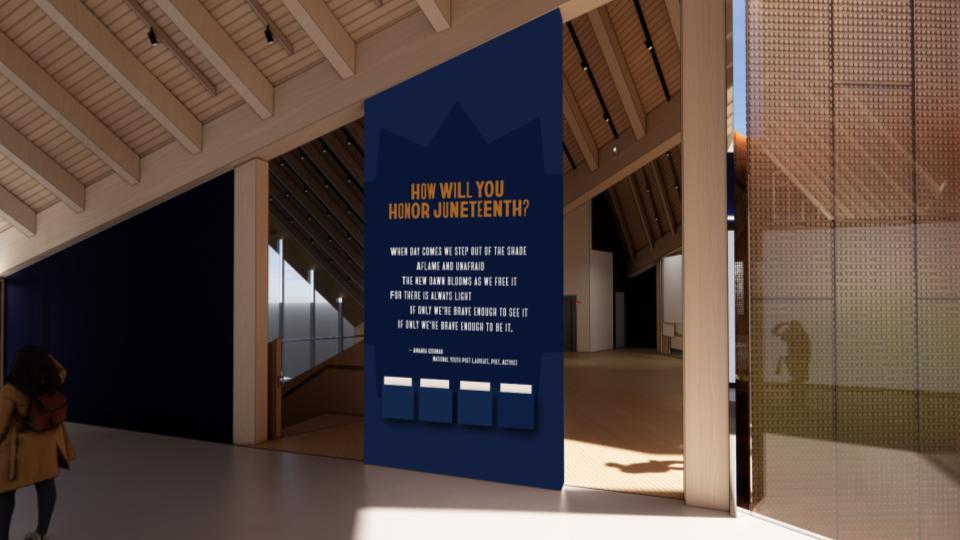
At the end, visitors are asked to reflect on how they’ll carry the spirit of Juneteenth forward.
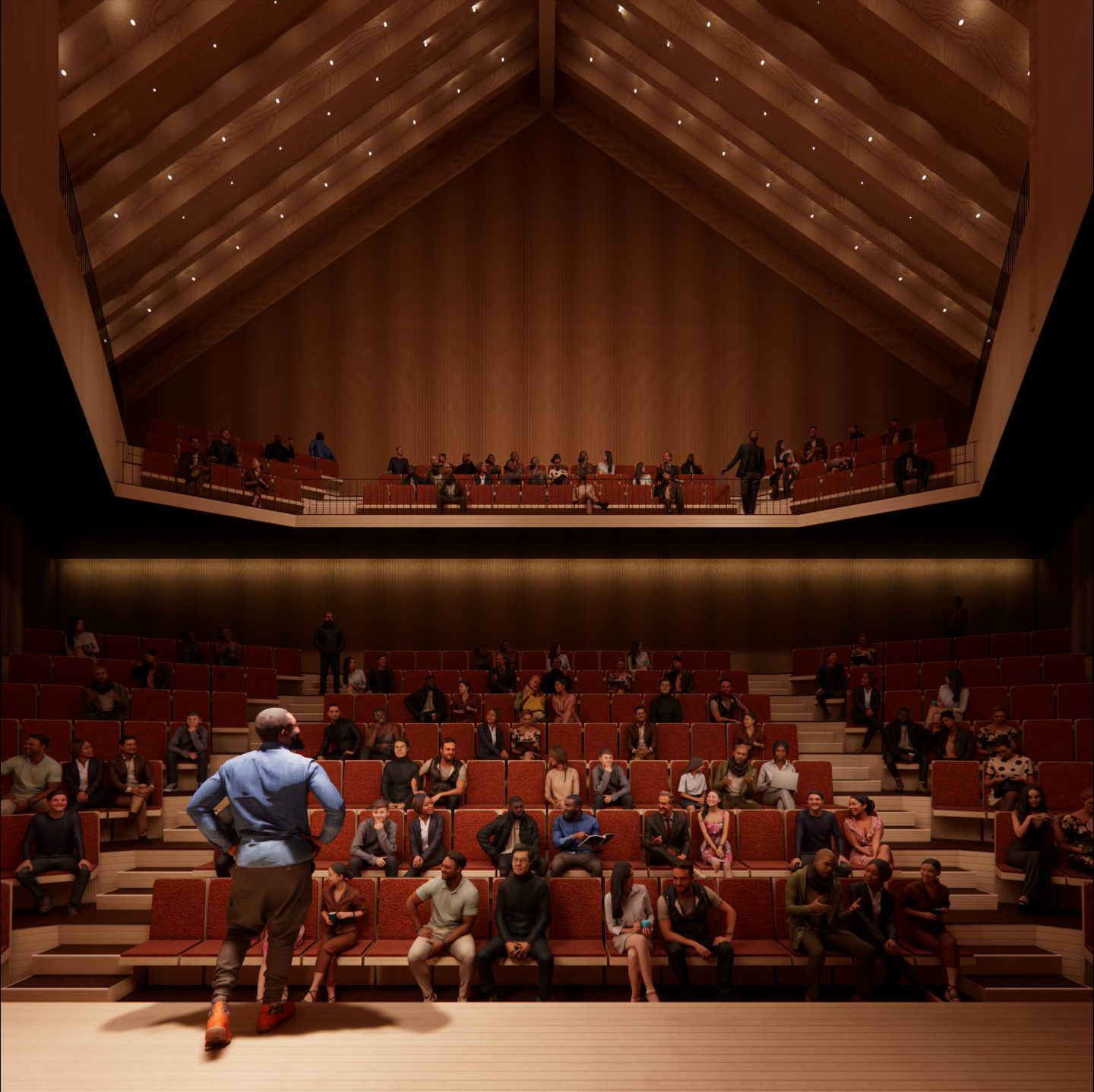
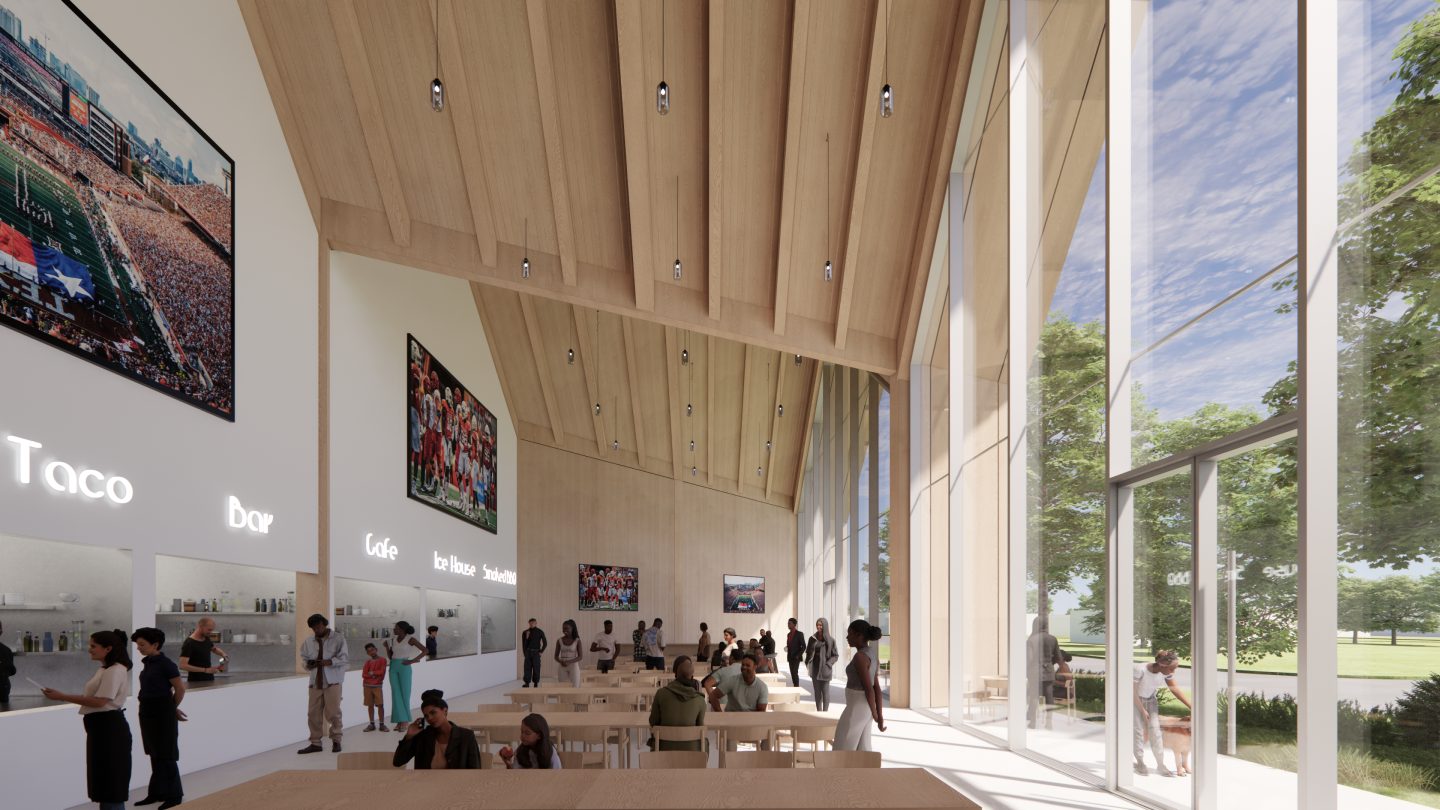
Beyond the galleries, community benefits were baked in from the beginning of the project. A business incubator, a food hall featuring local chefs, and a 250-seat theater. Museum leadership projects more than 200 jobs and $24 million a year in economic impact for the Southside.
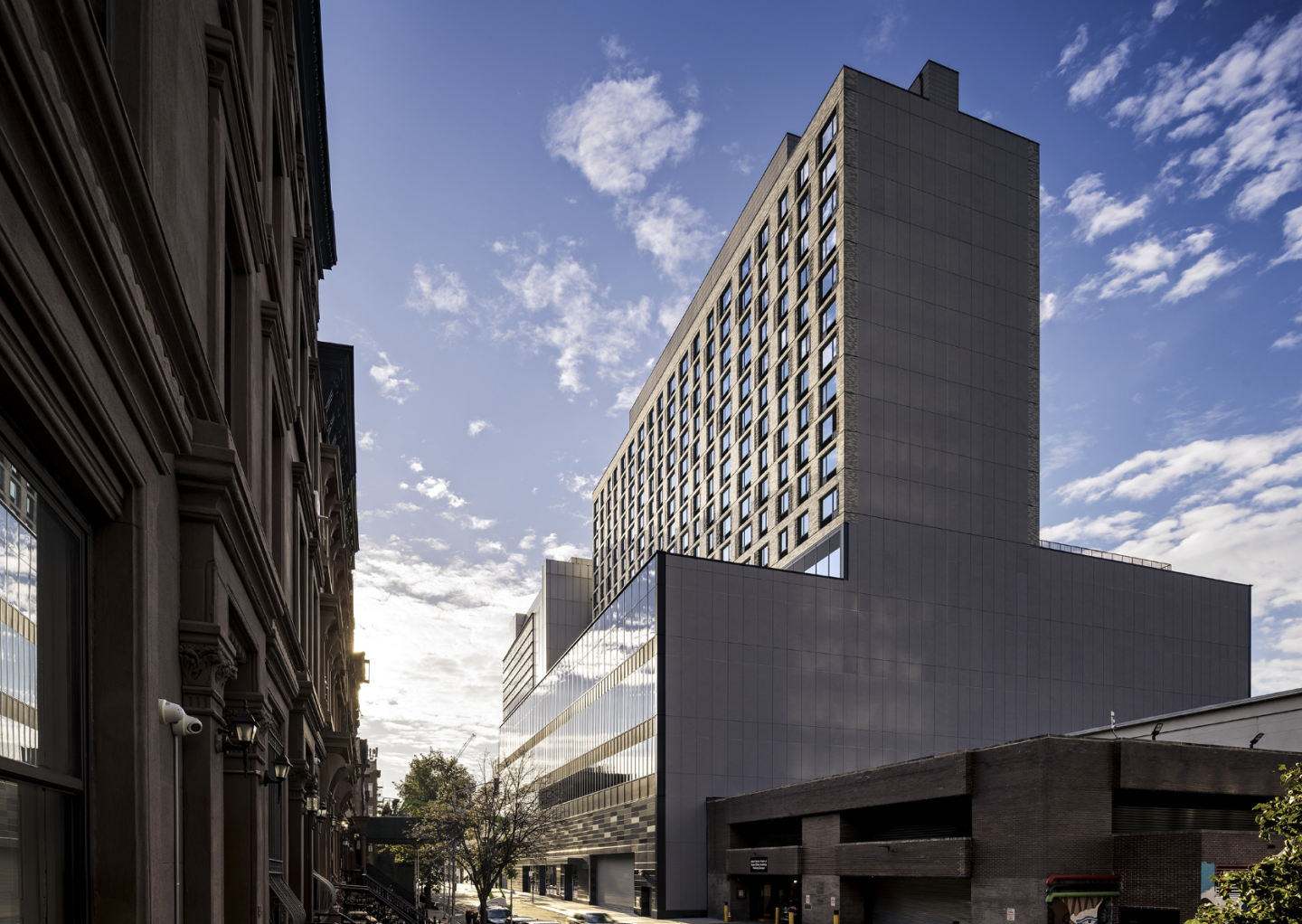
The Urban League Empowerment Center brings the National Urban League home to Harlem. The $242 million, 17-story headquarters is one of the most significant economic development projects Harlem has seen in decades.
As a black-owned development, it offers an inspiring model for multi-use, including 171 affordable apartments, below-market office space for nonprofits alongside retail.
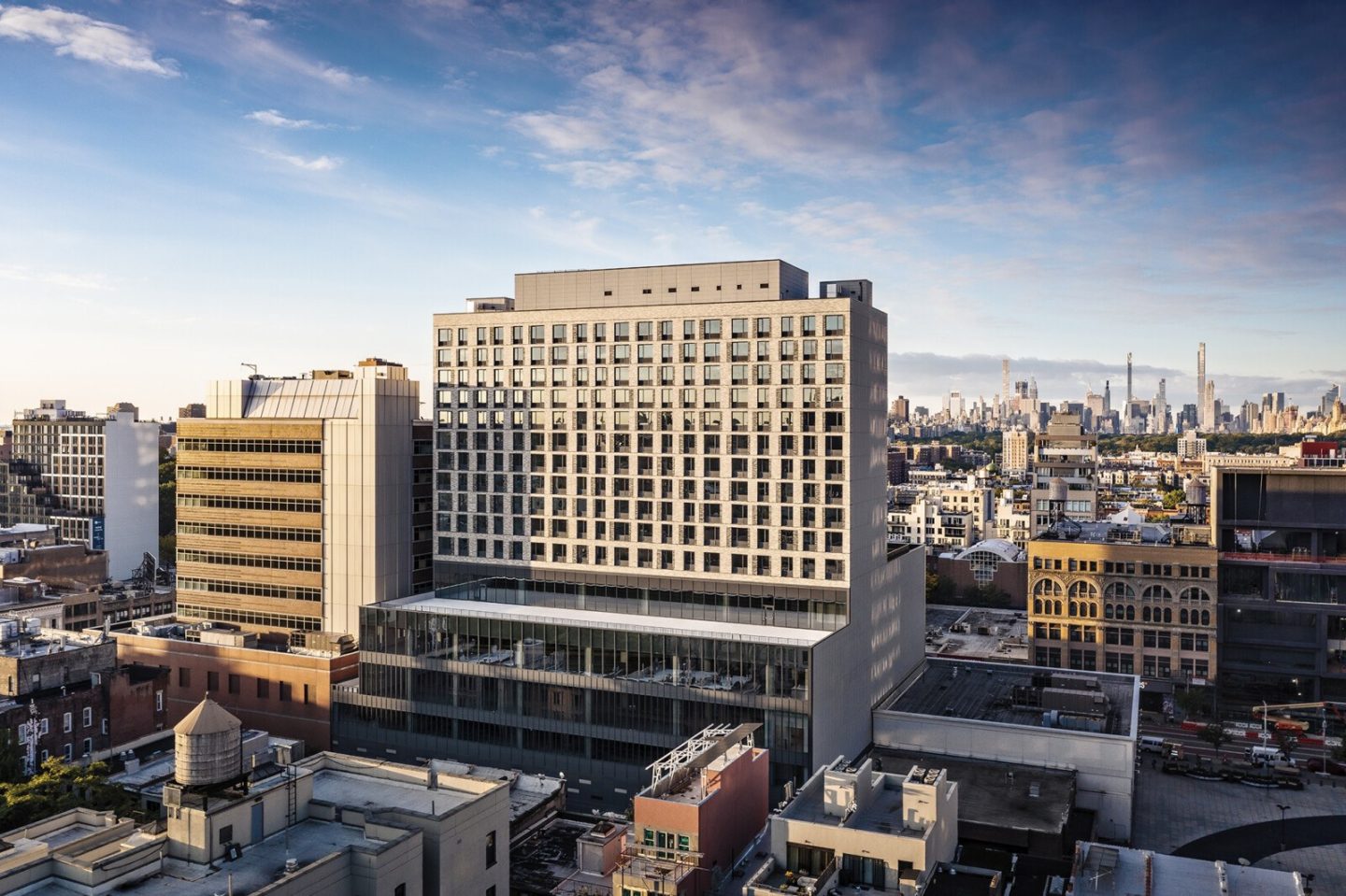
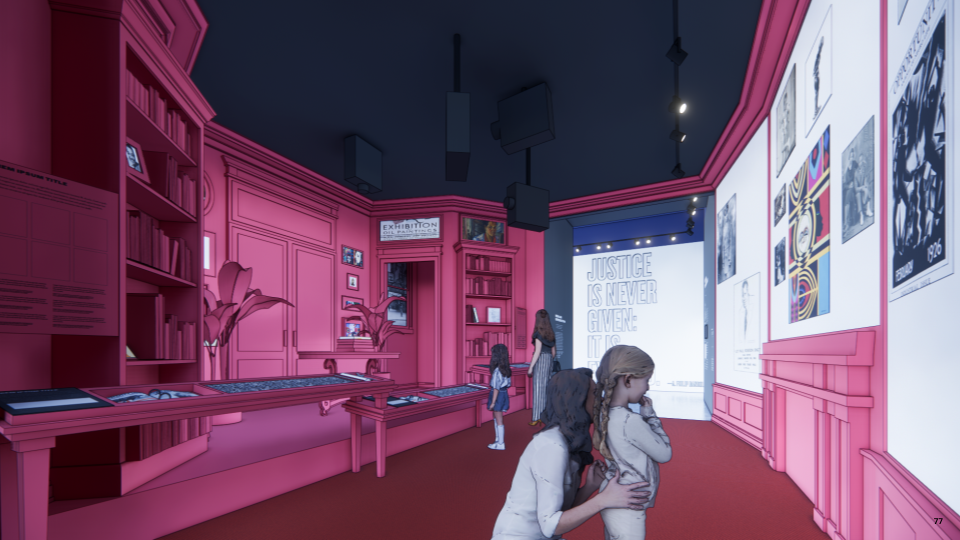
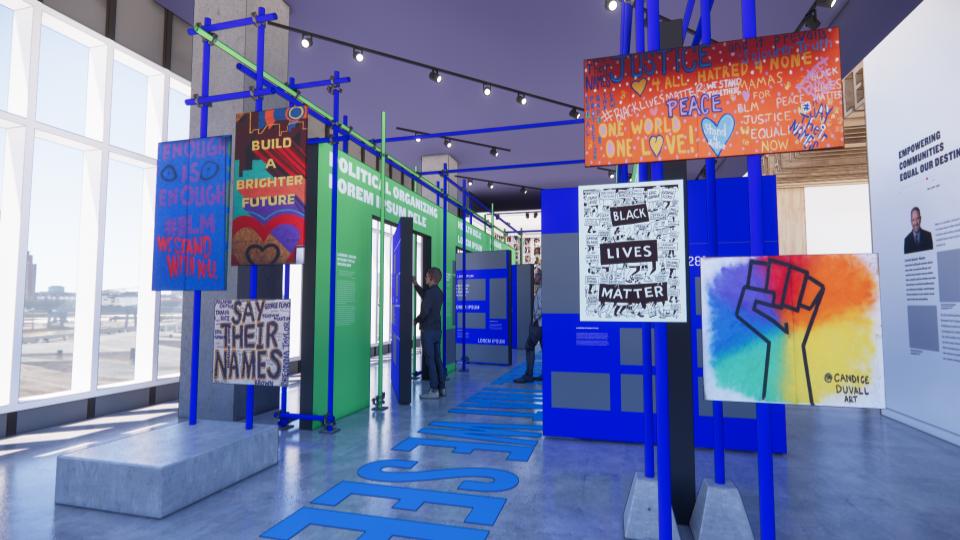
The Center is home to the Urban Civil Rights Museum, New York City’s first museum of the civil rights movement.
The Museum interprets and documents the ongoing struggle for civil and human rights in Northern urban environments across America from the 1600s to the present. It’s a place where you can see and feel the work of the many people who fought for justice in urban centers in the North, a place to reflect on past civil rights efforts, to imagine new possibilities of collective work and to inspire future action.
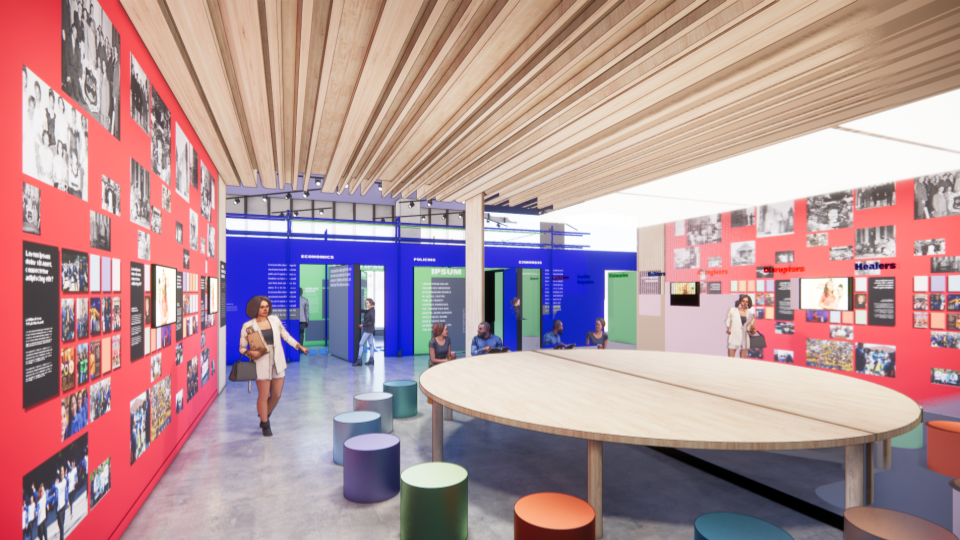
Designed by Local Projects, the exhibitions conclude with Seat at the Table, a space where visitors learn that through collective action, great change has – and will – happen. Visitors identify with an icon and find suggestions and tools for different types of roles within the collective social activism ecosystem inspired by those icons.
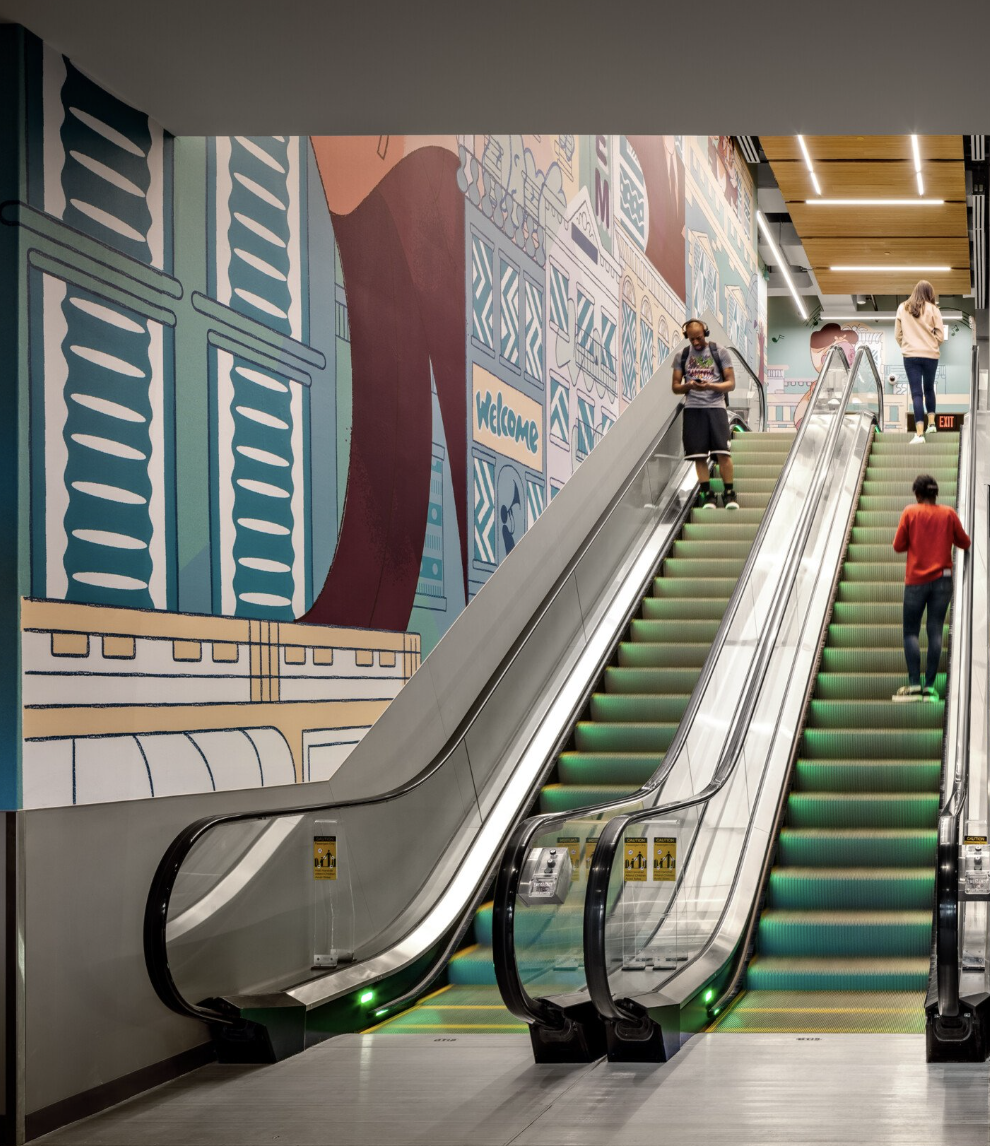
In the Urban Empowerment Center, Harlem gains a Black-owned anchor on 125th Street that helps longtime residents stay in the neighborhood and gives minority-owned businesses and nonprofits a permanent address. The League will run voting rights, housing assistance, and job readiness programs out of the building, turning a headquarters into a working civic hub.
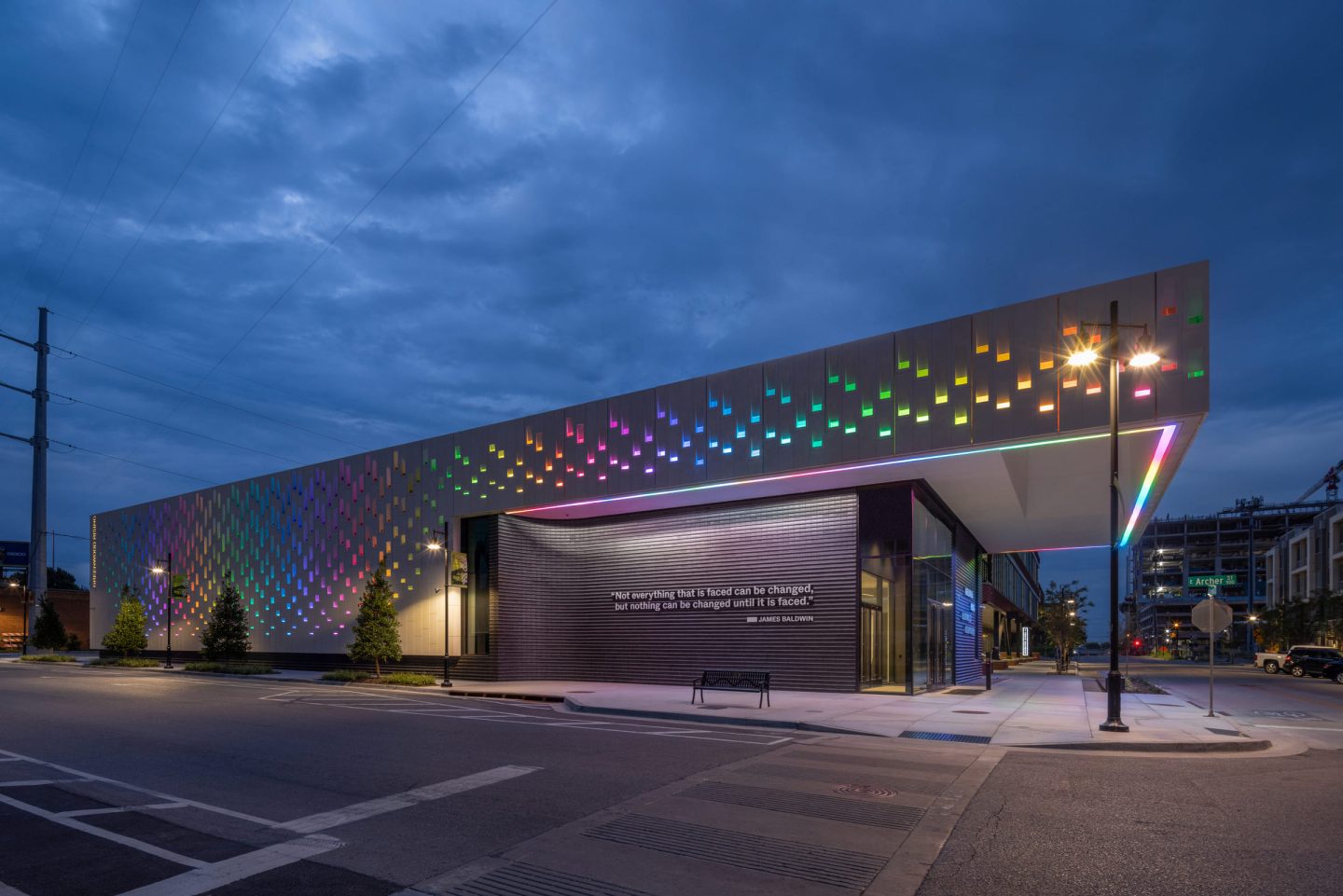
Greenwood Rising opened in August 2021 as the culminating project of the 1921 Tulsa Race Massacre Centennial Commission.
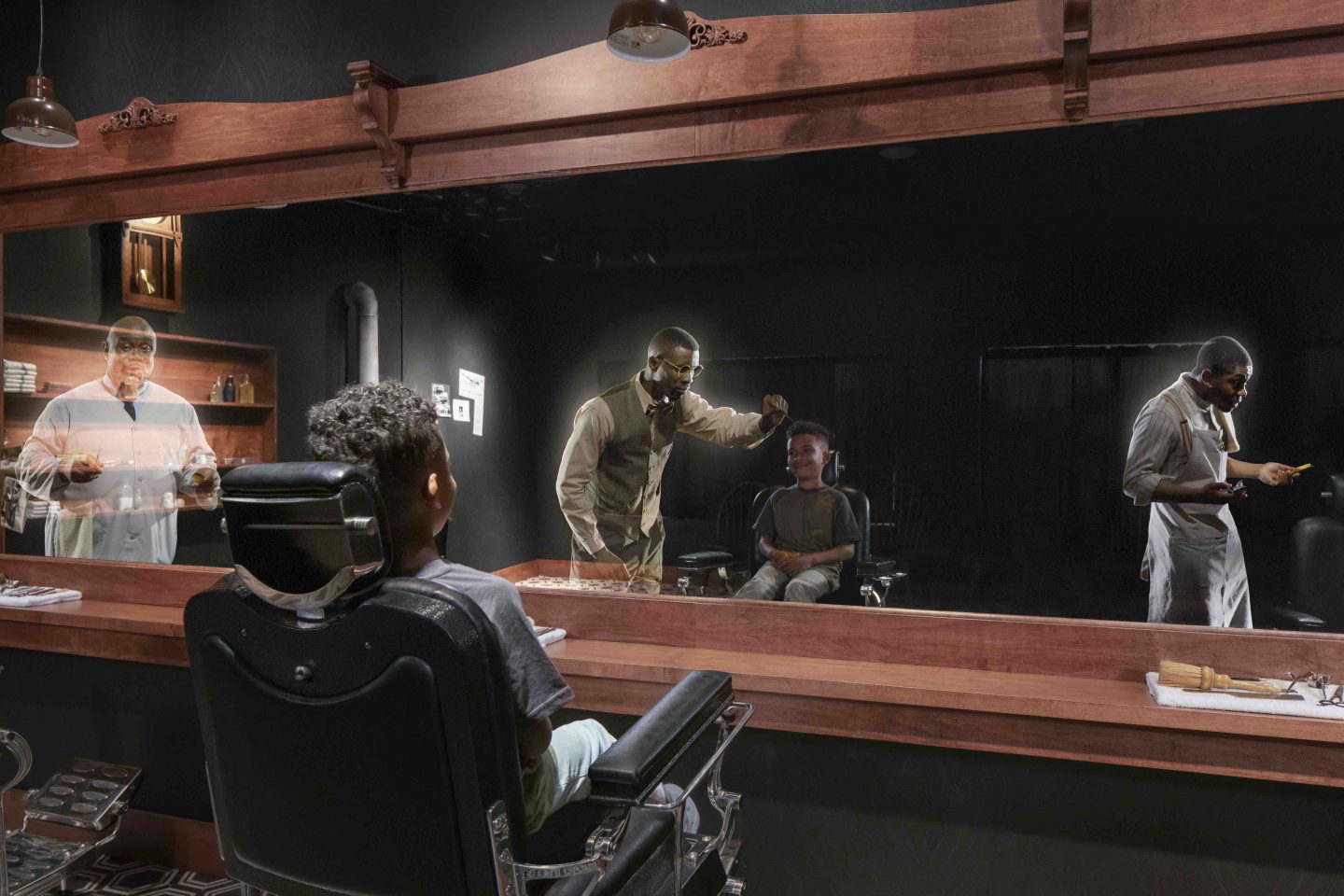
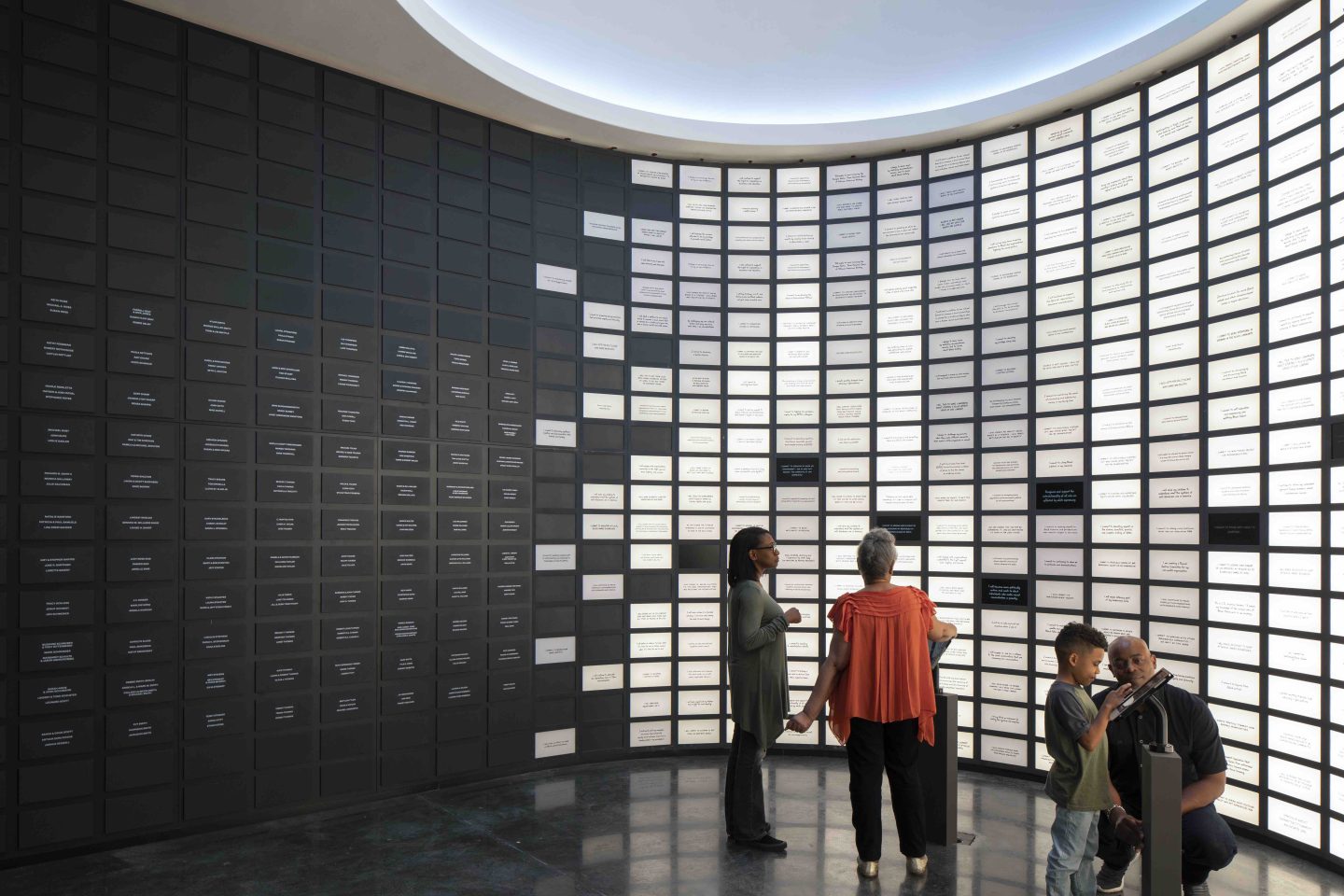
Greenwood Rising tells the story of how Black Wall Street withstood the Tulsa Massacre and rebuilt in its wake.
Its concluding gallery has invited thousands of visitors to share the steps they’ll take as individuals towards racial reconciliation. These responses are entered into the Center’s permanent archive and are incorporated into the exhibit itself.
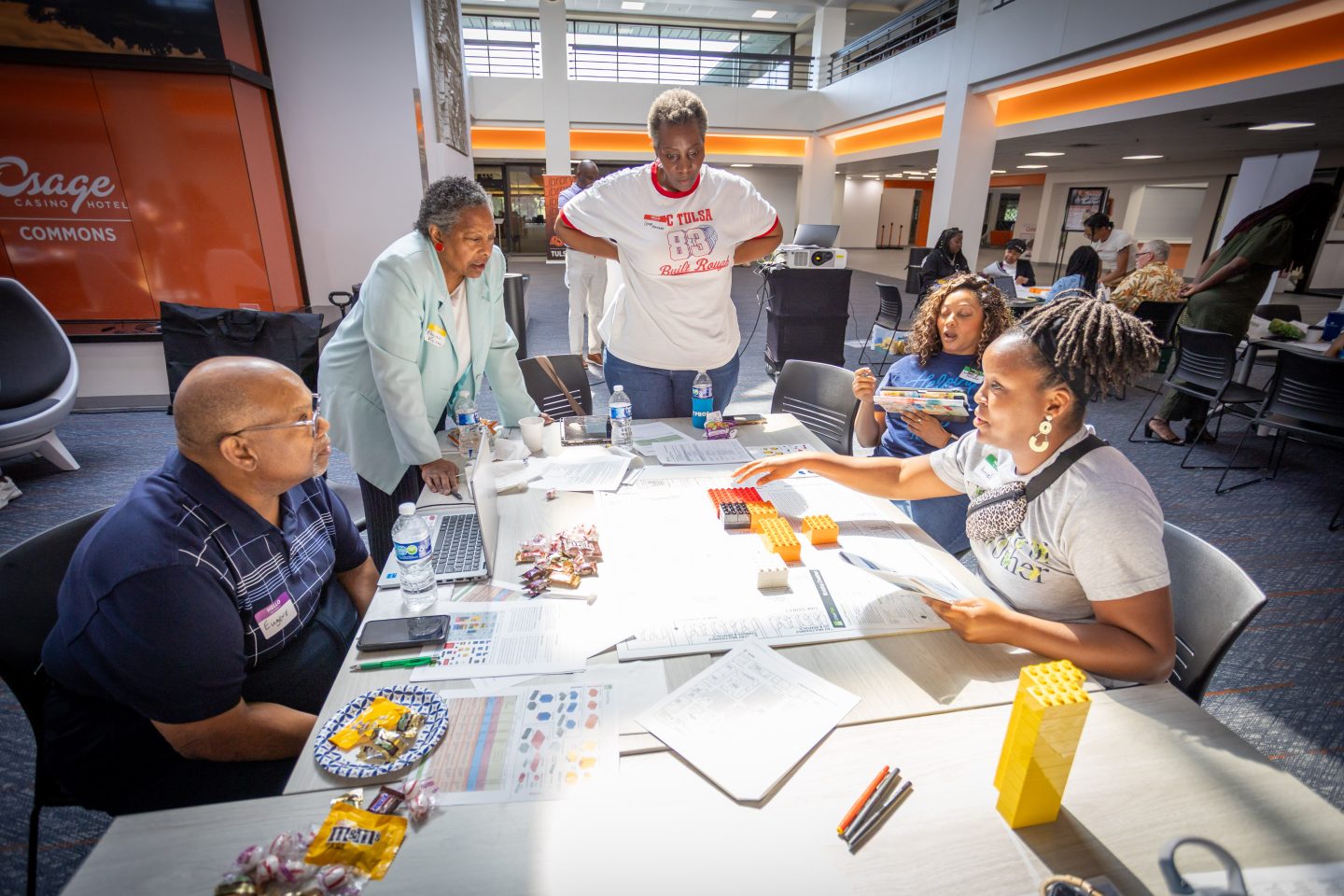
Less than two weeks after the Center opened, the City of Tulsa launched a master plan to redevelop 56 acres of public land in and around Greenwood, devised by a working group that included Greenwood Rising’s Executive Director.
Shaped by more than 1,000 residents, the plan is now led by the Greenwood Legacy Corporation, a community development corporation run by North Tulsa residents, backed $7 million from the City of Tulsa.
The plan brings housing, trails, and commercial space for locally owned businesses to land vacated by urban renewal, under governance built so Black Tulsans capture the benefits.
Greenwood Rising gave survivors and descendants a voice in how Greenwood’s story is told. The plan aims to give the community long-term ownership of the land itself.
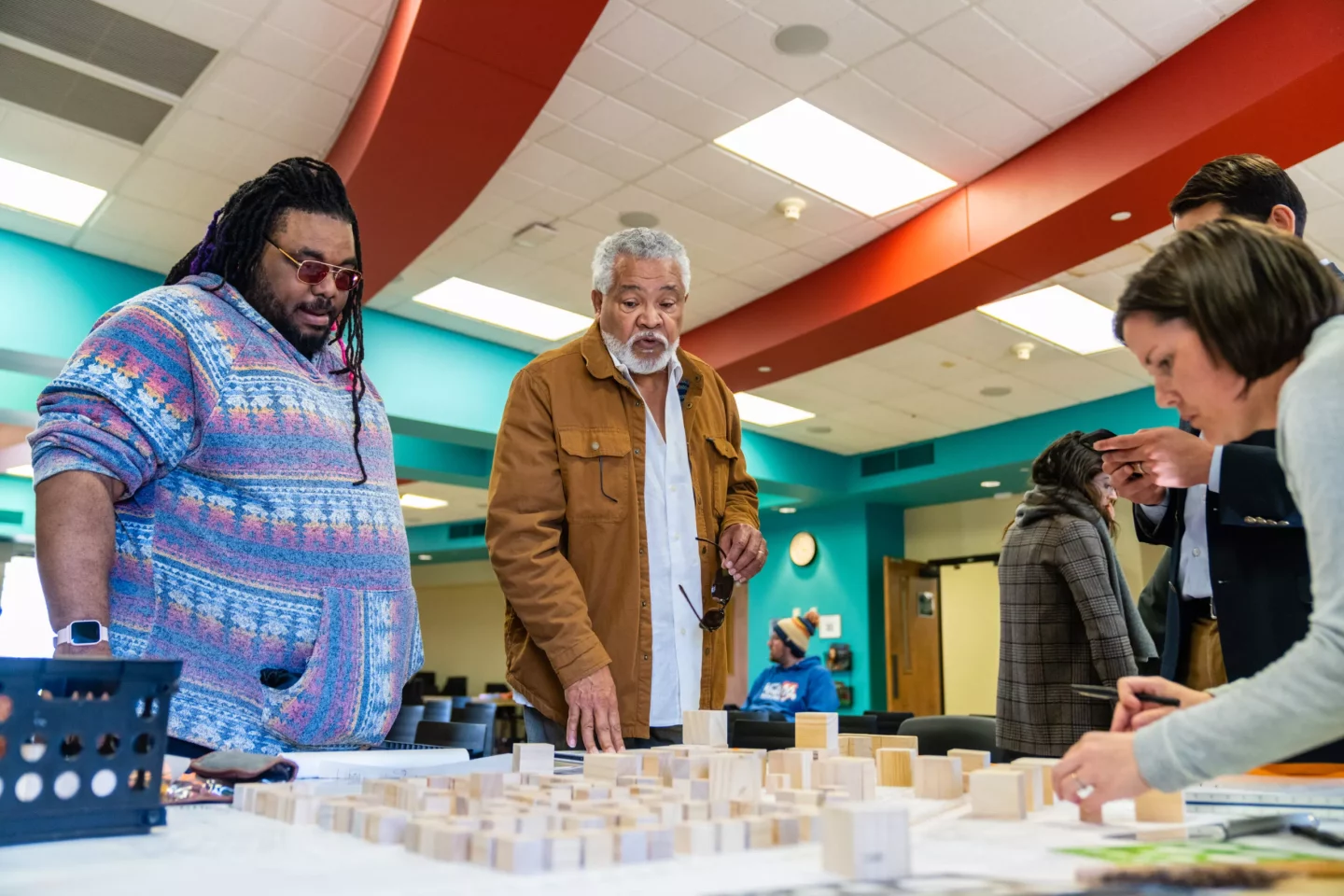
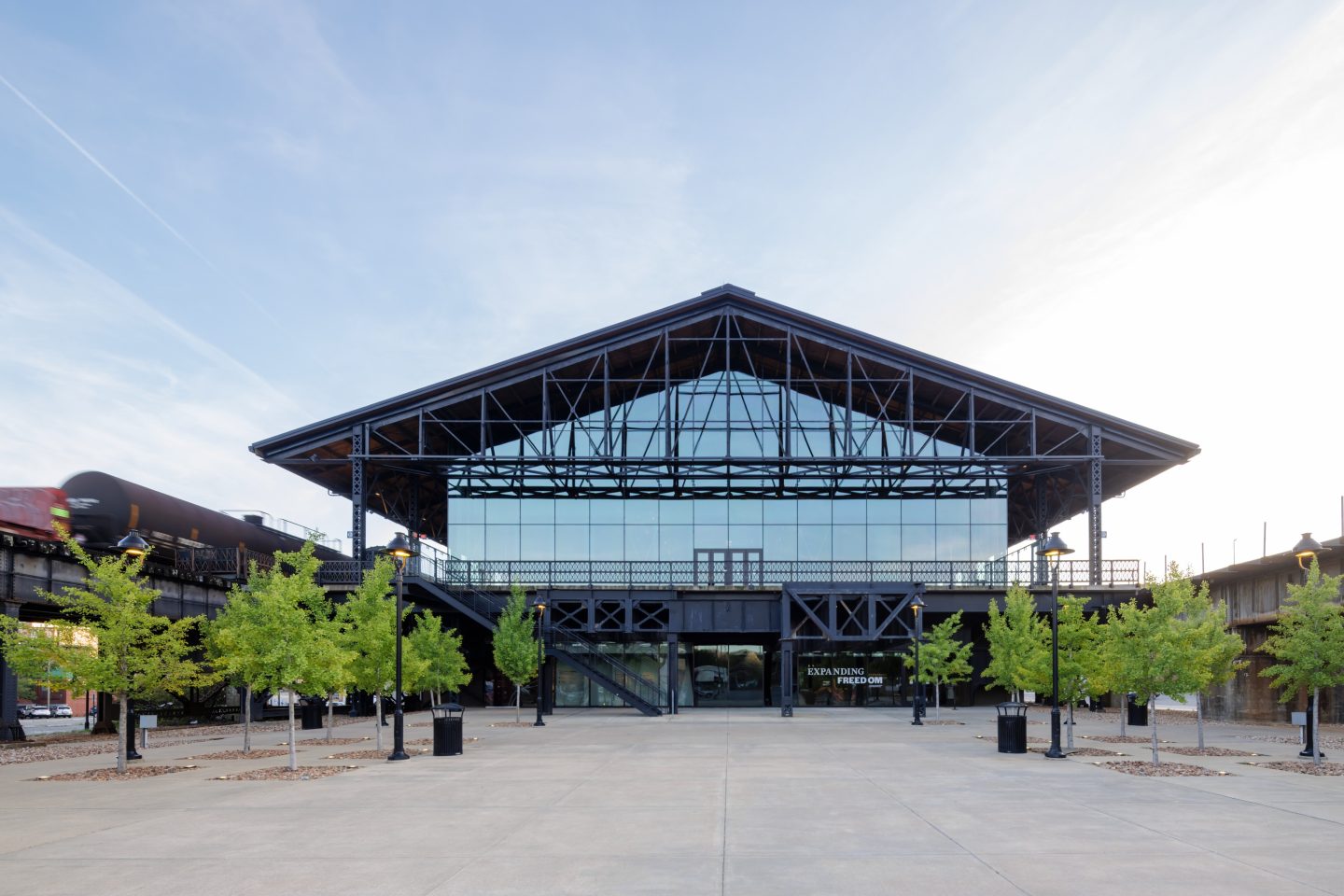
The Shockoe Institute opened in April 2026 inside Main Street Station, in the heart of what was once the nation’s second-largest slave market.
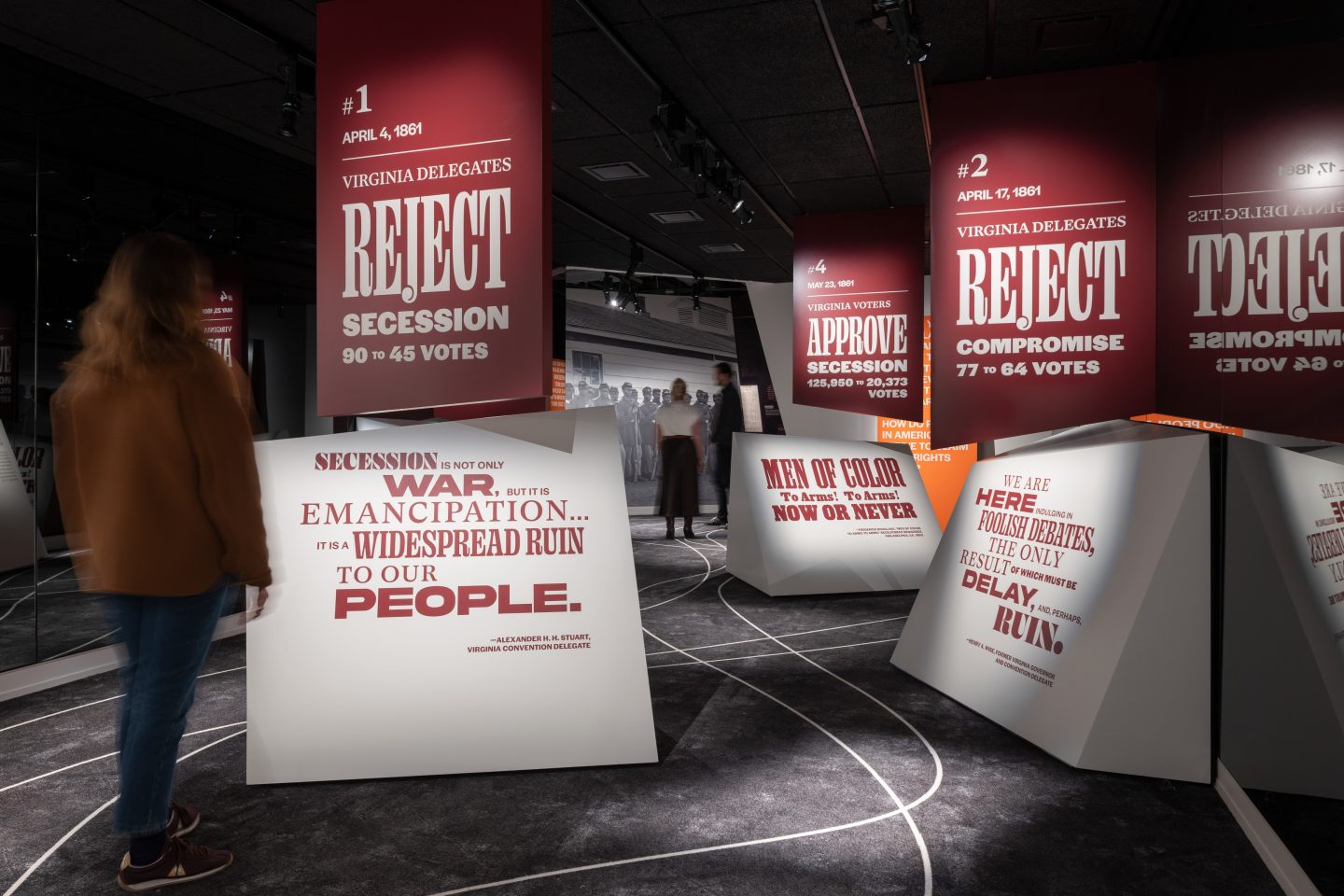
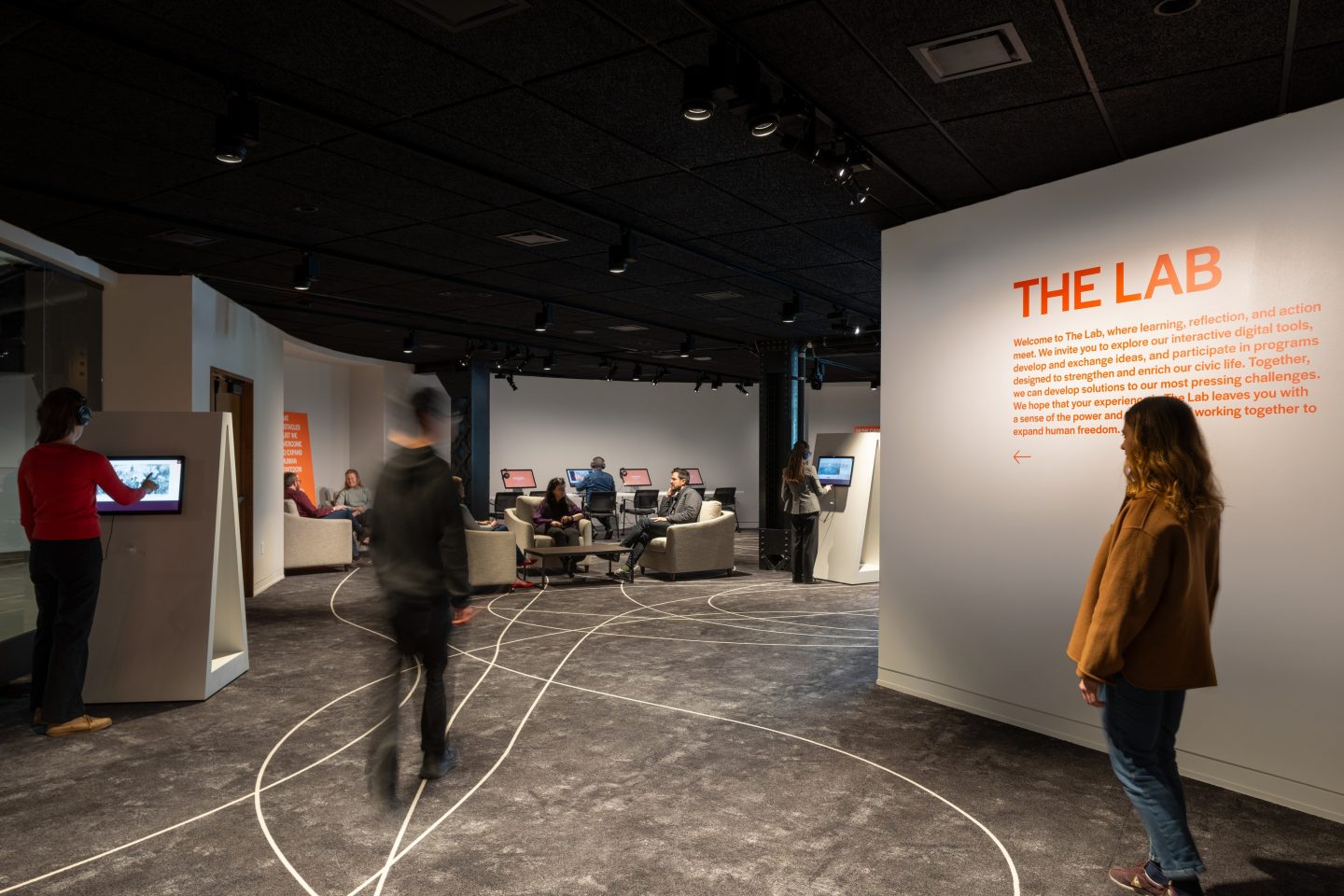
Backed by an $11 million Mellon Foundation grant, its exhibit Expanding Freedom and interactive Lab connect the economics of slavery to our present challenges.
The city has named the campus the catalyst for Shockoe Bottom’s economic development, with Broad Street retail planned to showcase Richmond’s Black chefs, artists, and creatives.
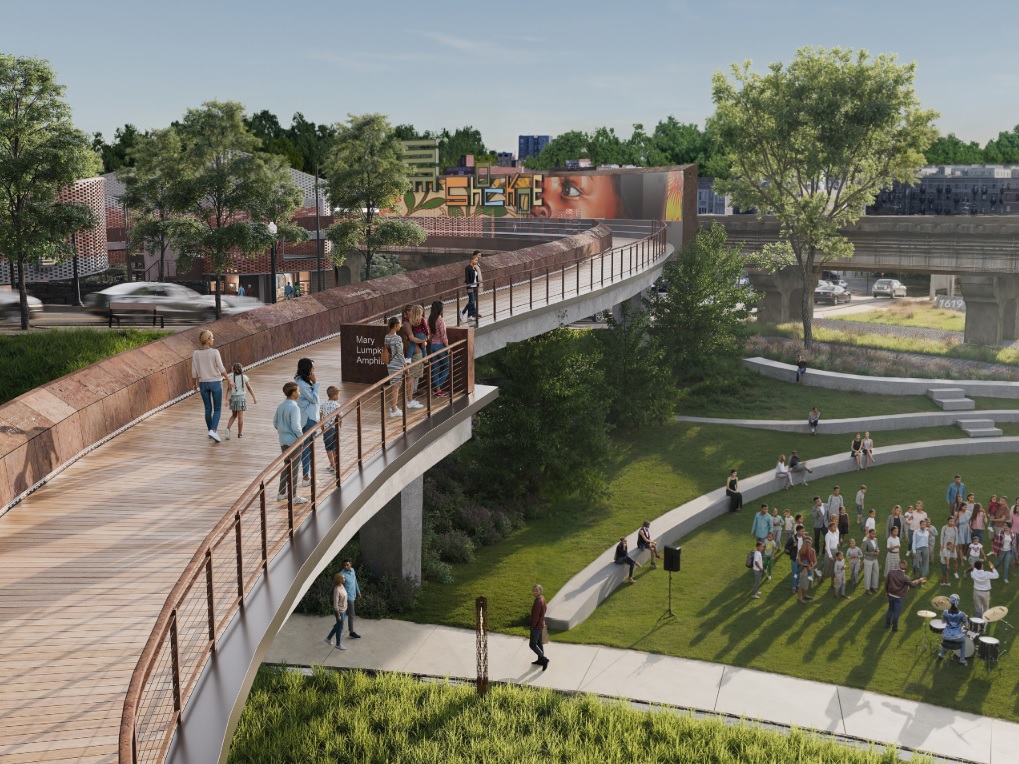
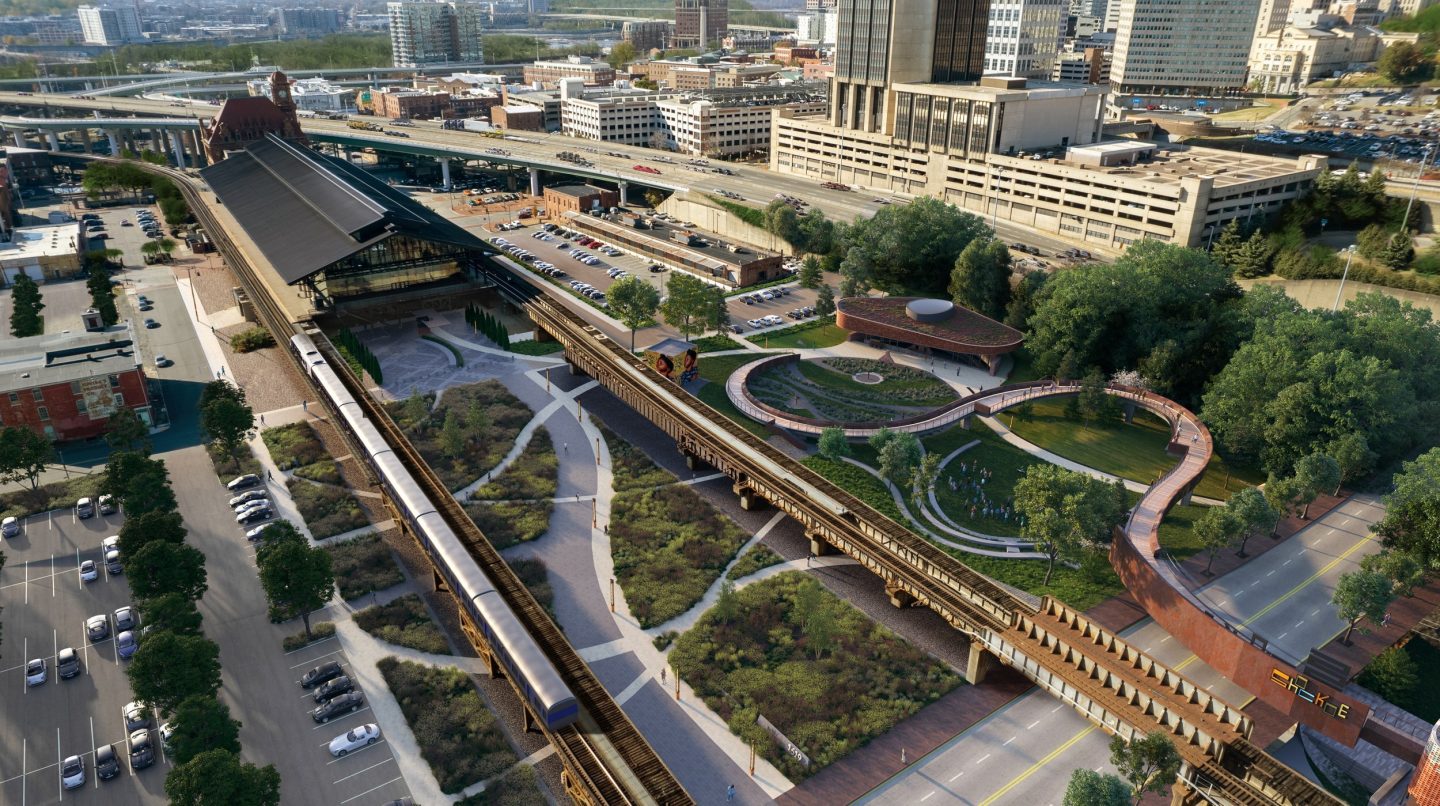
The Institute’s Civic and Financial Education programming will also train young people to use their neighborhood’s history to shape its future.
Does your project have a vision for change? We want to hear from you. Please reach out.