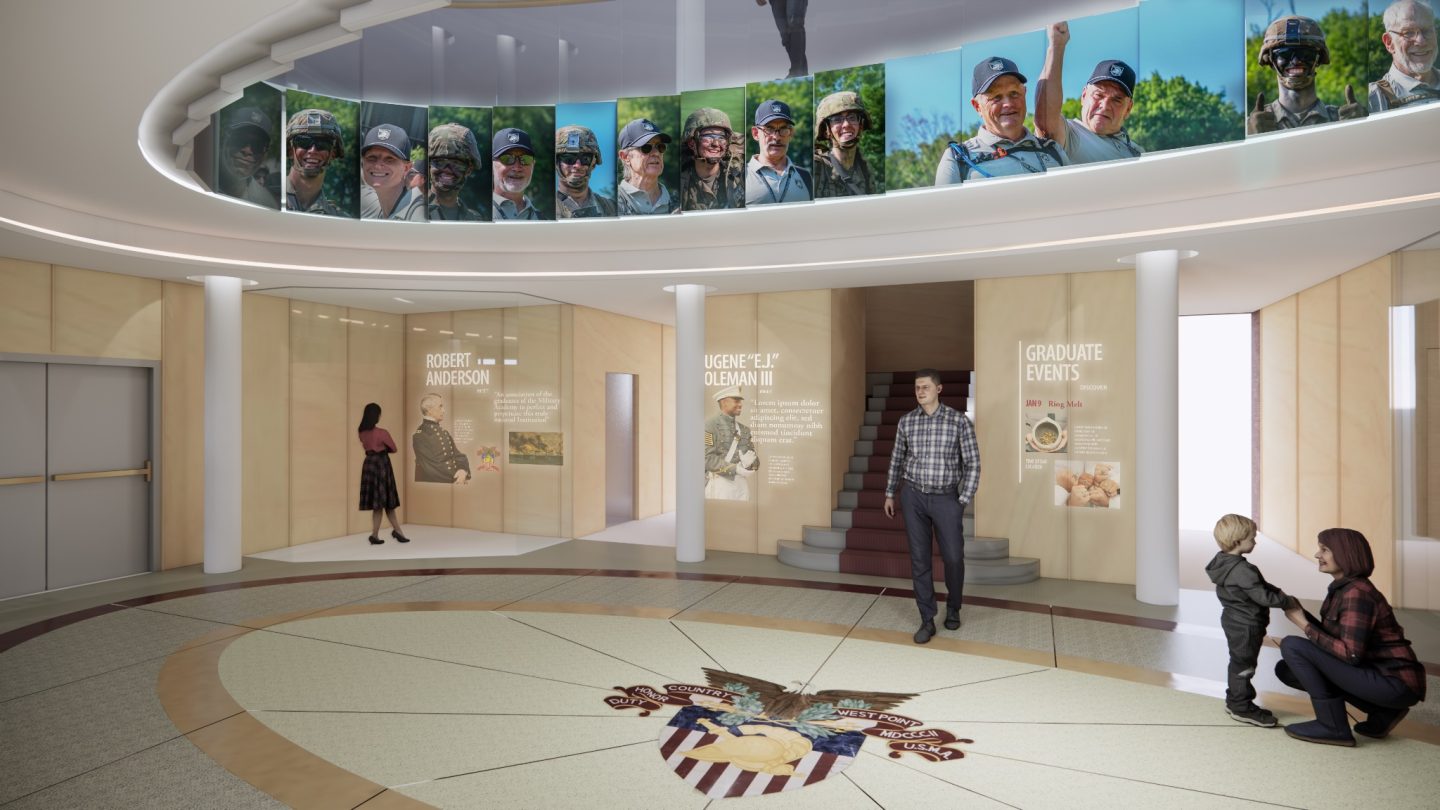
Built in the early 90s, Herbert Hall has acted as the anchor for West Point’s unusually devoted and engaged alumni. In partnership with David Berke Architects, we were asked to transform Herbert Hall’s central thoroughfare, featuring a double-height Rotunda, into a platform for storytelling.
Exploring New Frontiers in Interpretive Technology
As an award-winning experience design studio, Local Projects has always been at home with cutting-edge interpretive technology. We never use technology gratuitously, but to an end: whether empowering and inspiring users through creative tools, or engaging and educating visitors to our experiences. Here, we share four recent projects that are diverse in their context, but consistent in their aspiration to connect visitors to stories and to each other.
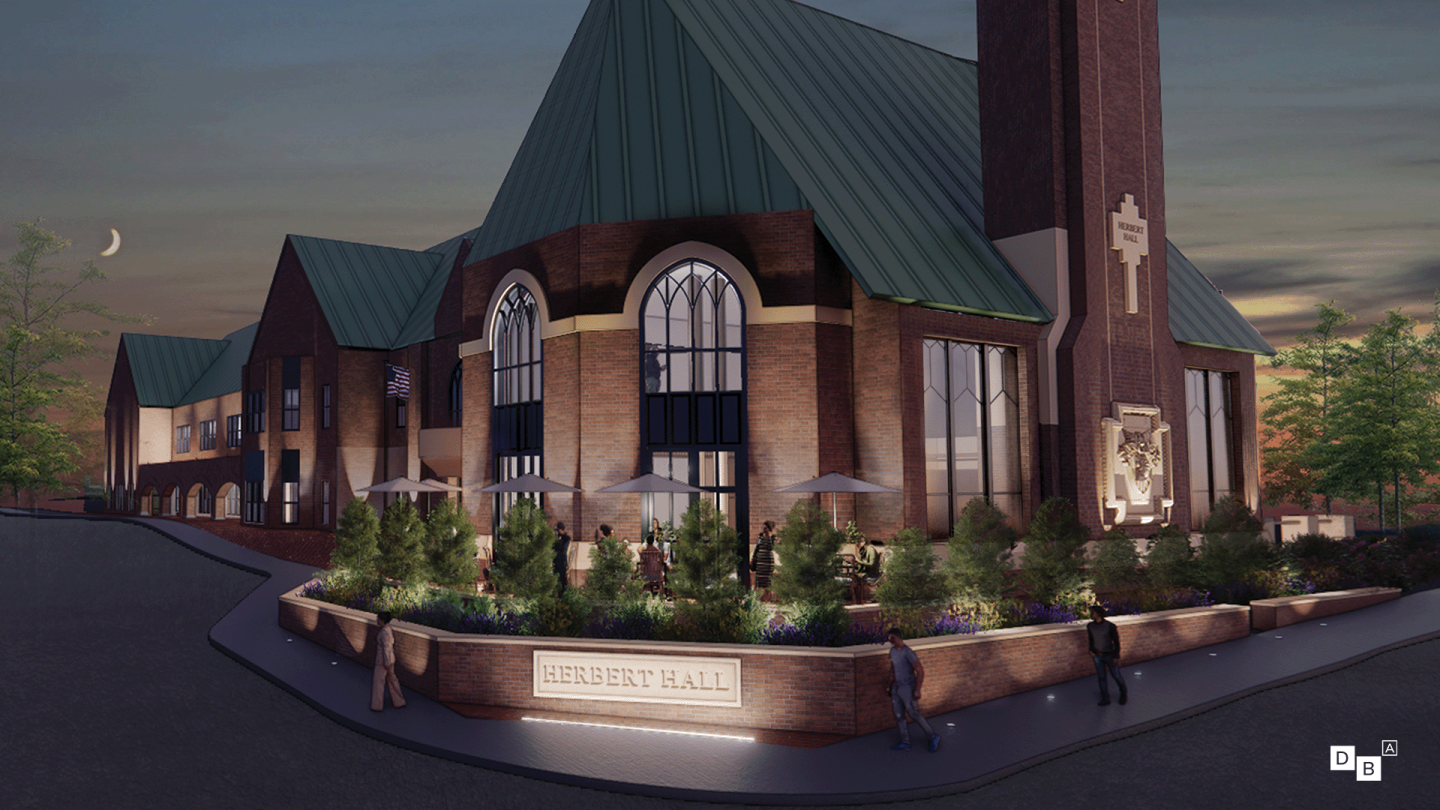
West Point Academy Alumni Center
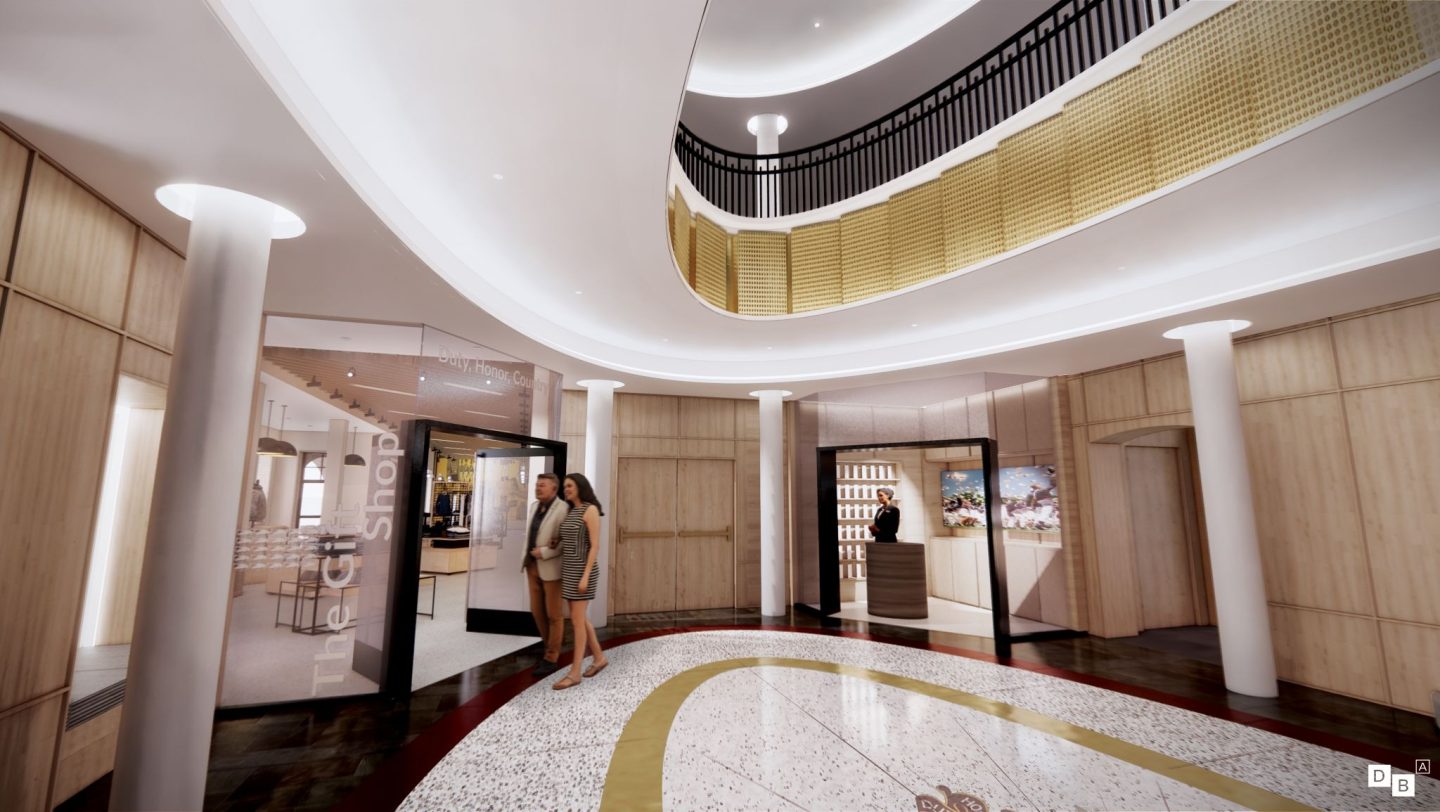
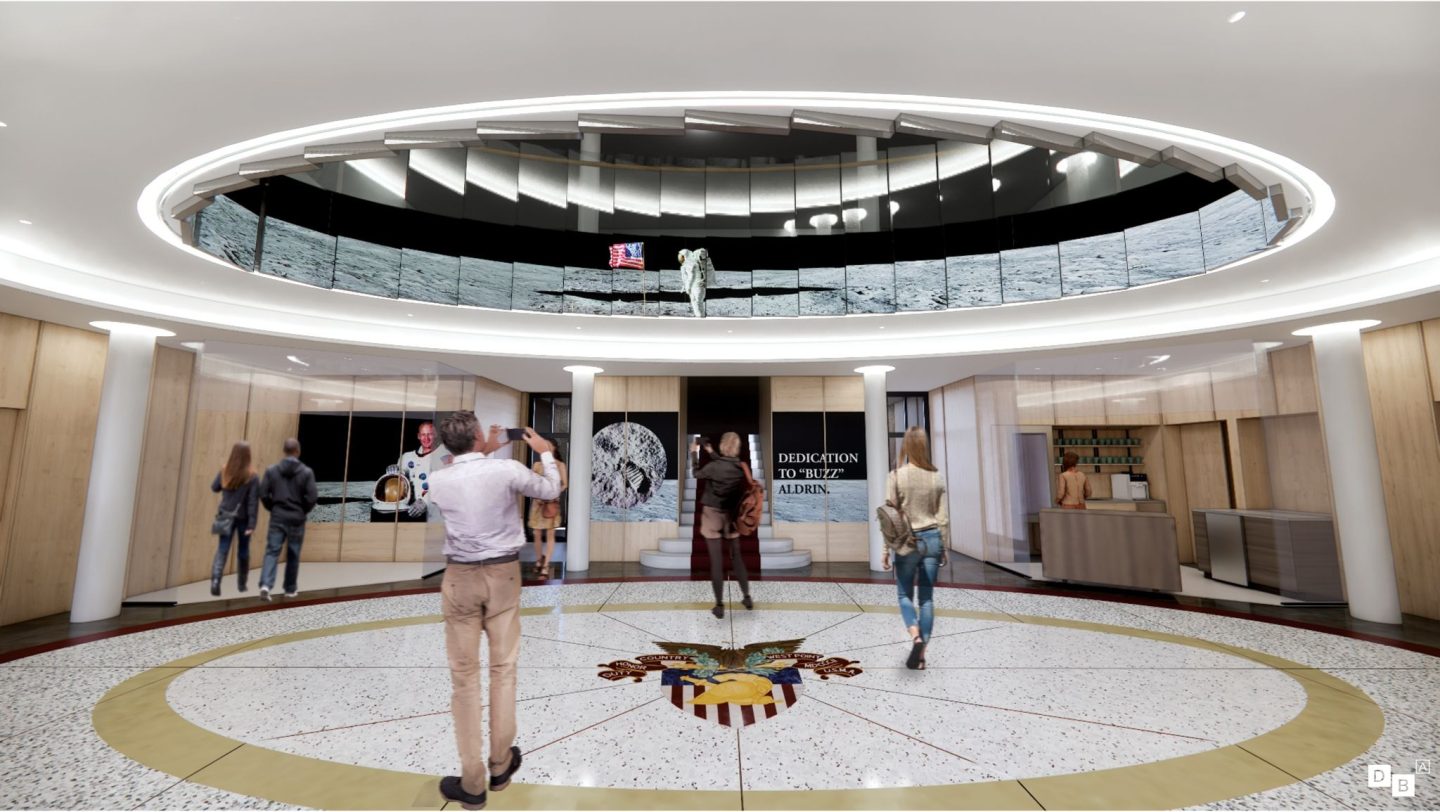
We updated a previous interior design for the rotunda featuring expensive perforated brass plates, and replaced them with an array of screens capable of sharing awe-inspiring stories.
These visuals move around the Rotunda, bringing well-known tradition to life, and featuring specific alumni during special events.
On the wall facing visitors as they enter, integrated LED video surfaces transition from warm wood panels into dynamic imagery, with the potential to be synchronized with the video ring above. When not on, they disappear elegantly behind wood veneer.
Children’s Inn at the National Institute of Health
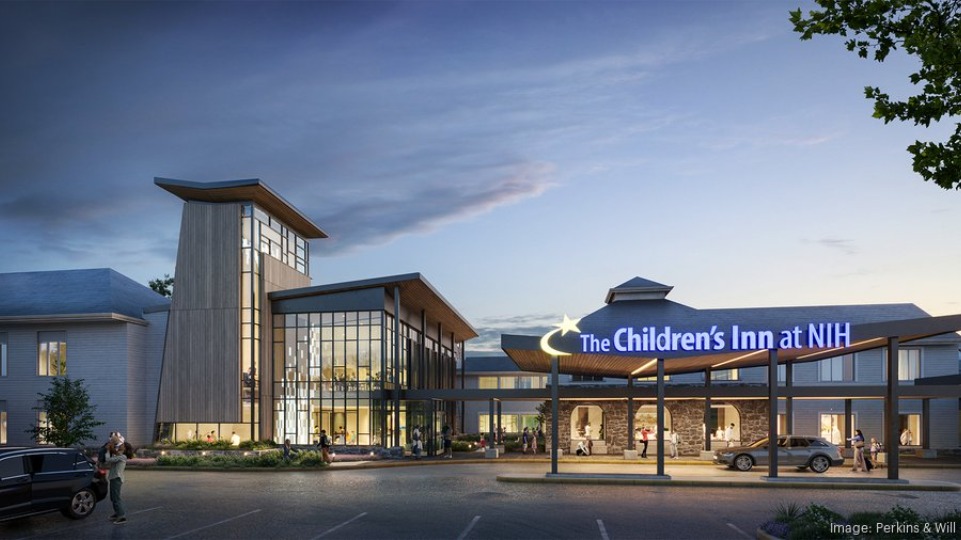
The Children’s Inn at the National Institute of Health is in the midst of building a 15,000 square-foot expansion project and renovation that will increase capacity by 25%. “The Inn of Tomorrow”— transforming the Inn into a state-of-the-art welcoming facility where families feel even more supported, connected, and cared for during one of the most challenging times of their lives.
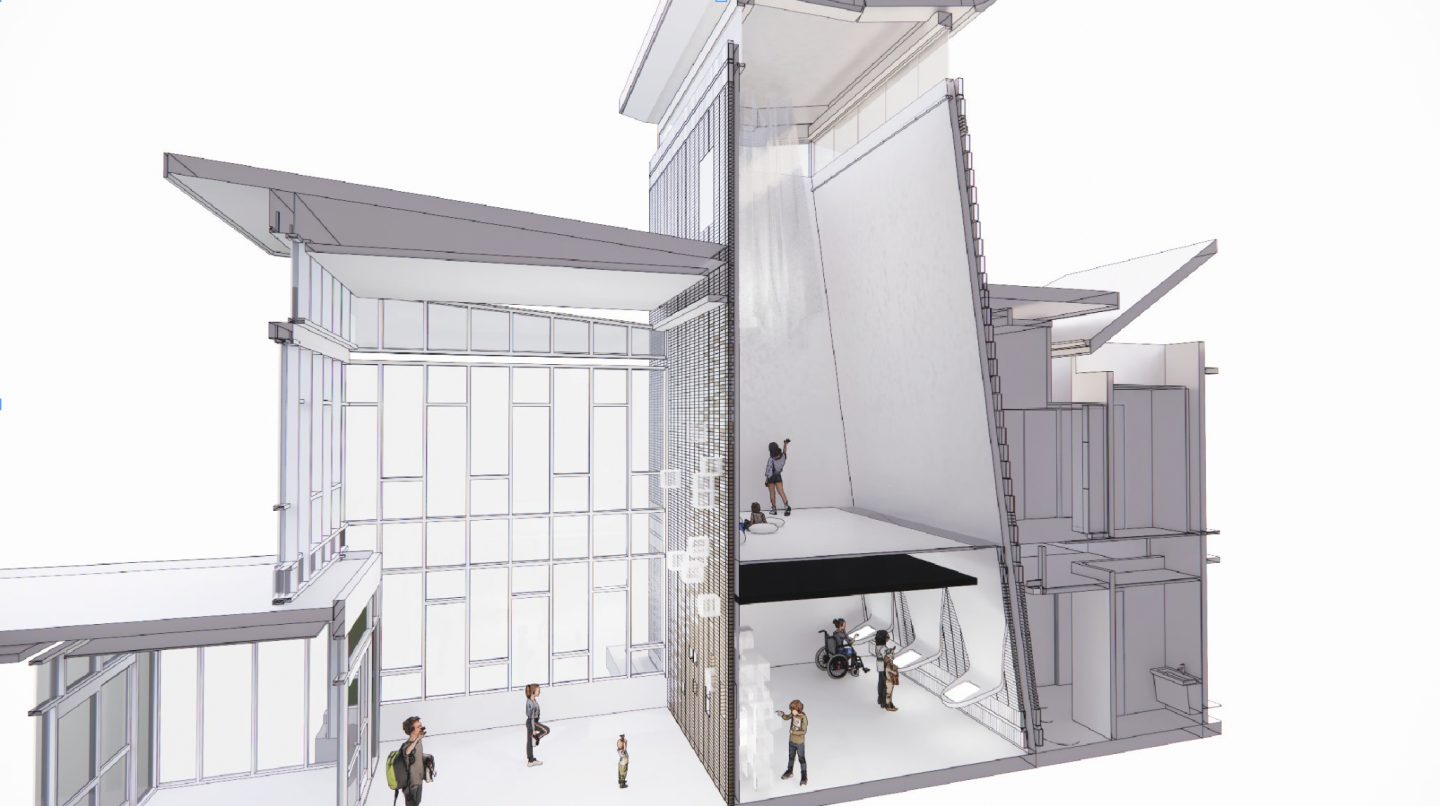
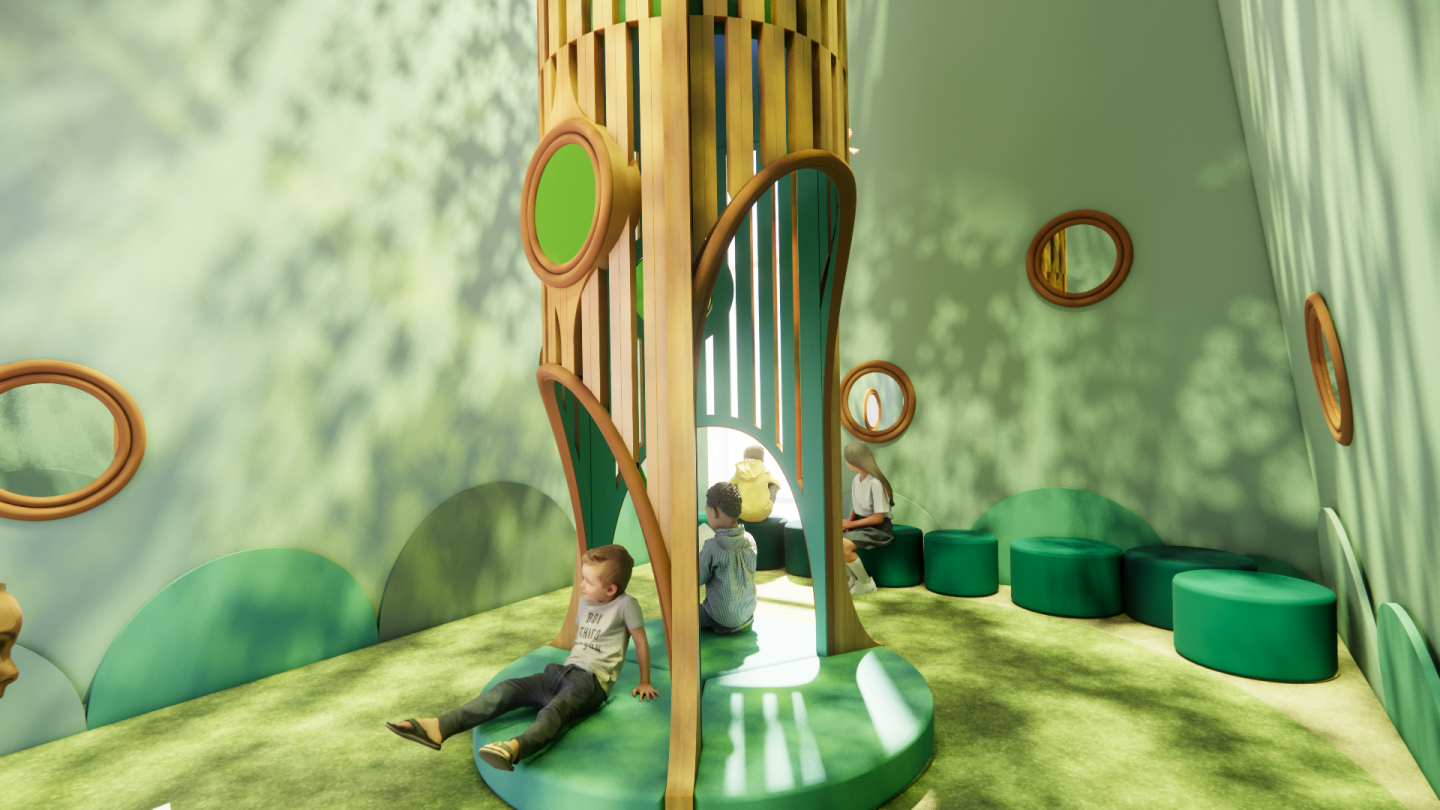
Local Projects is building a suite of experiences inside The Beacon, a two-story space built to help children undergoing treatment for rare and serious diseases and their families experience relaxation, play, and delight on a daily basis.
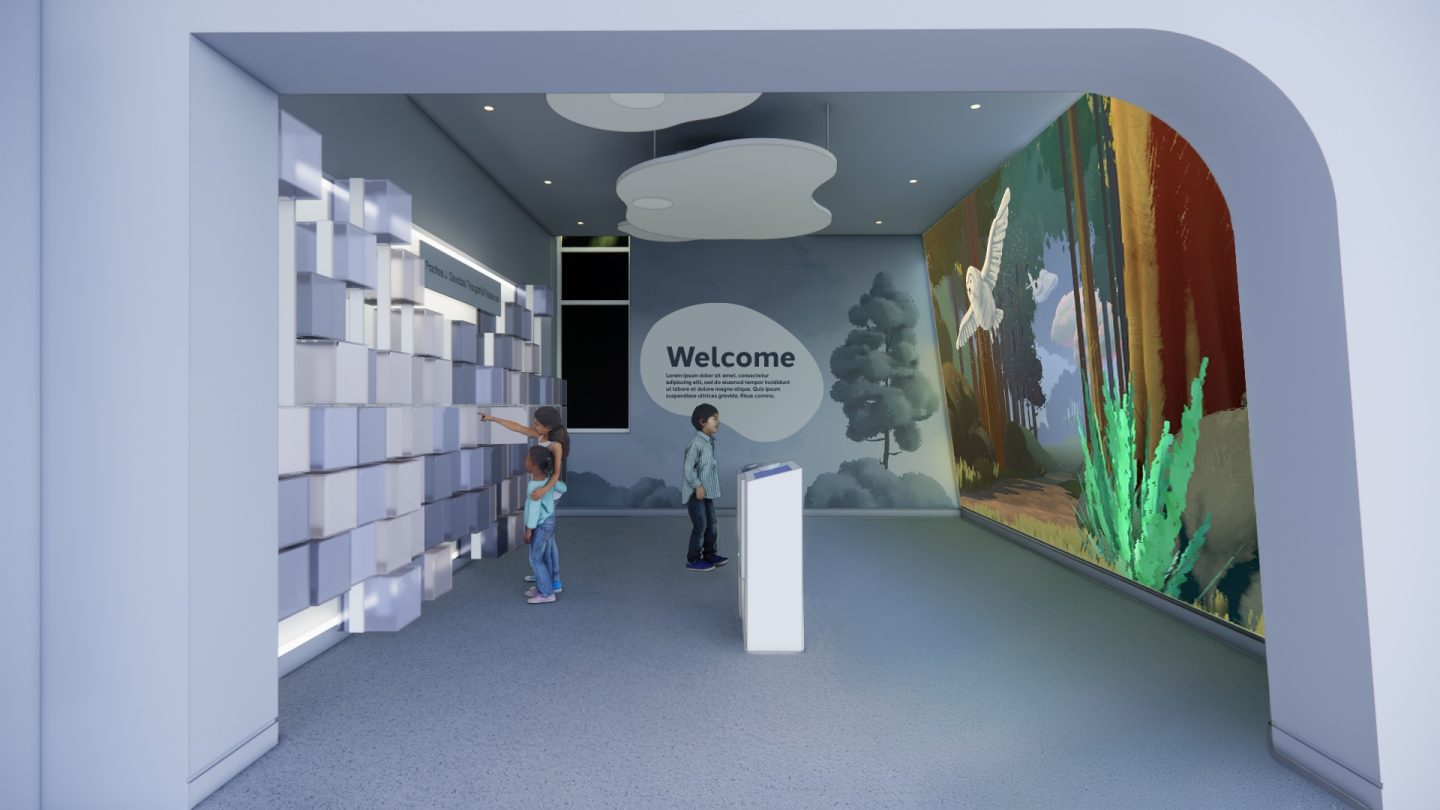
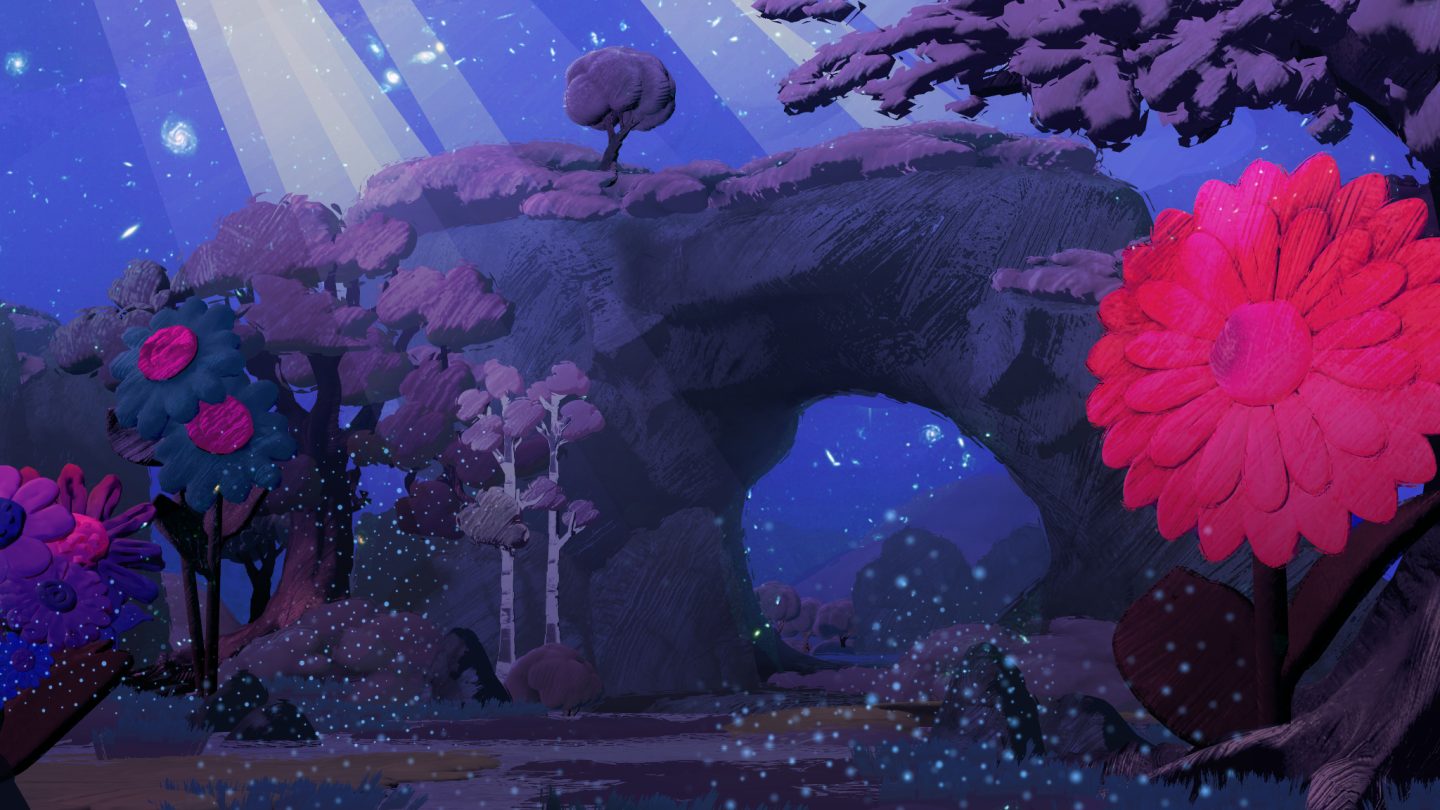
At the heart of the experience is The Children’s Forest, an interactive installation capable of quickly generating dynamic 3D environments that children can populate with models of animals and magical creatures.
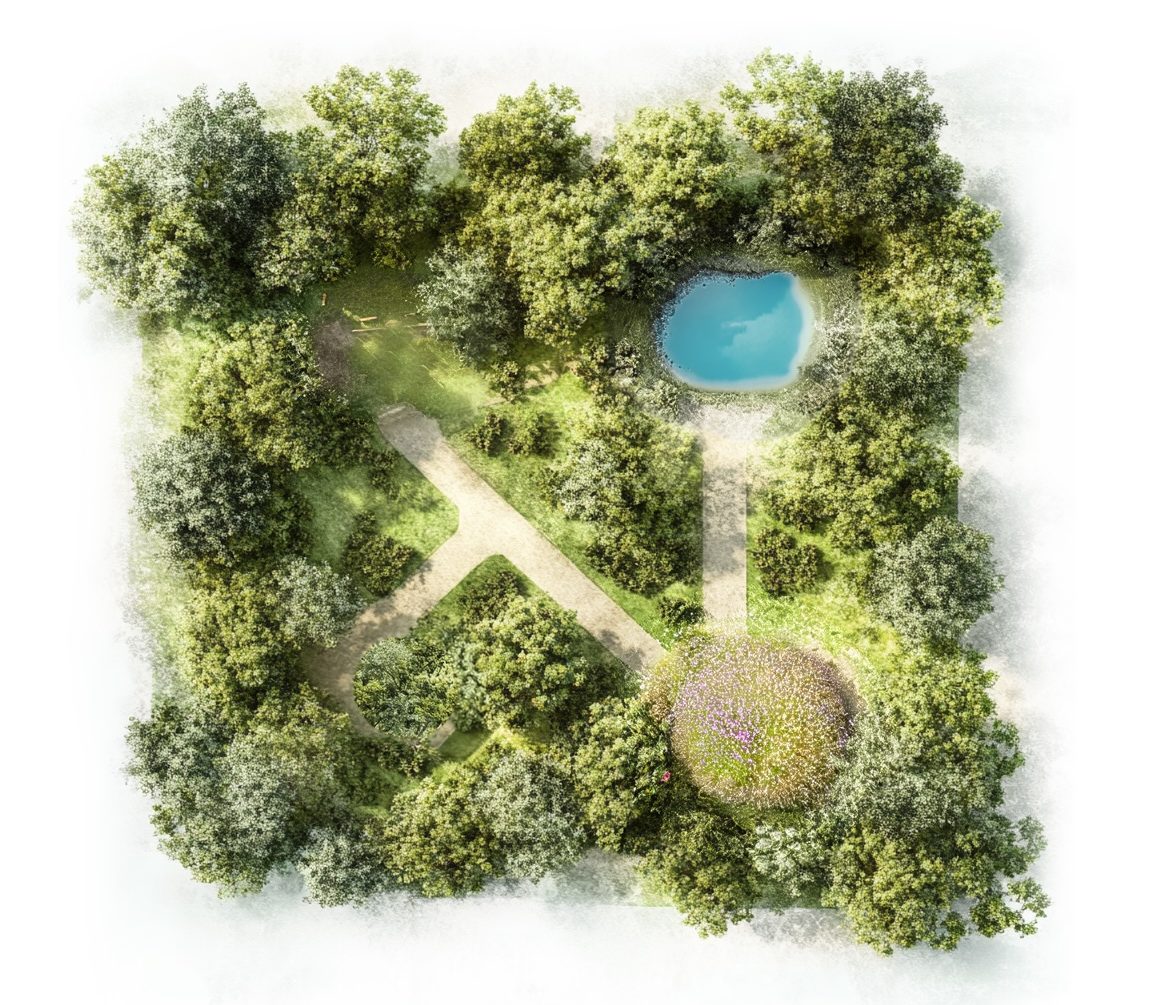
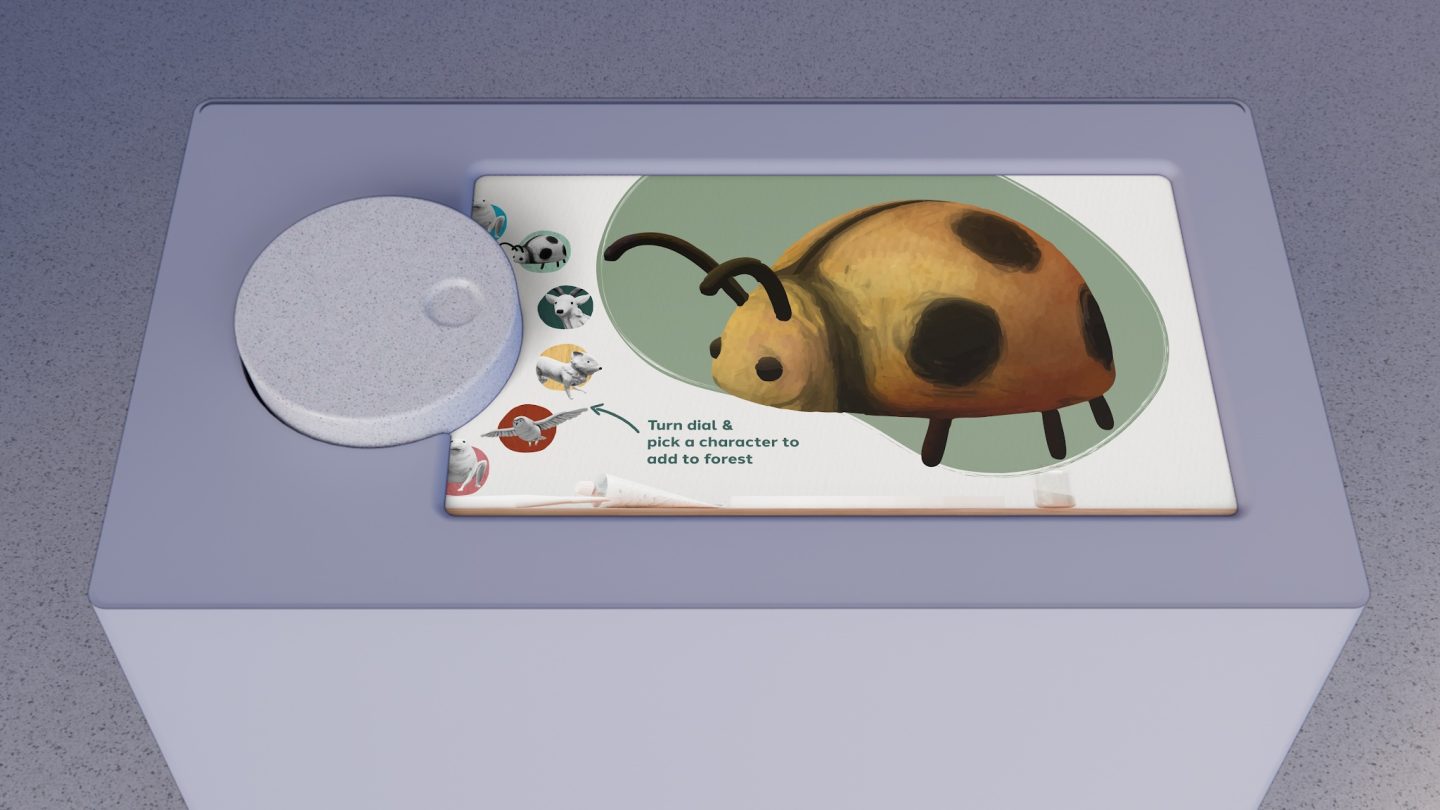
Machine learning played a big role not only in the rapid generation of beautiful environments, but in the creation tool children use to select and paint their animal creations.
Screenshot
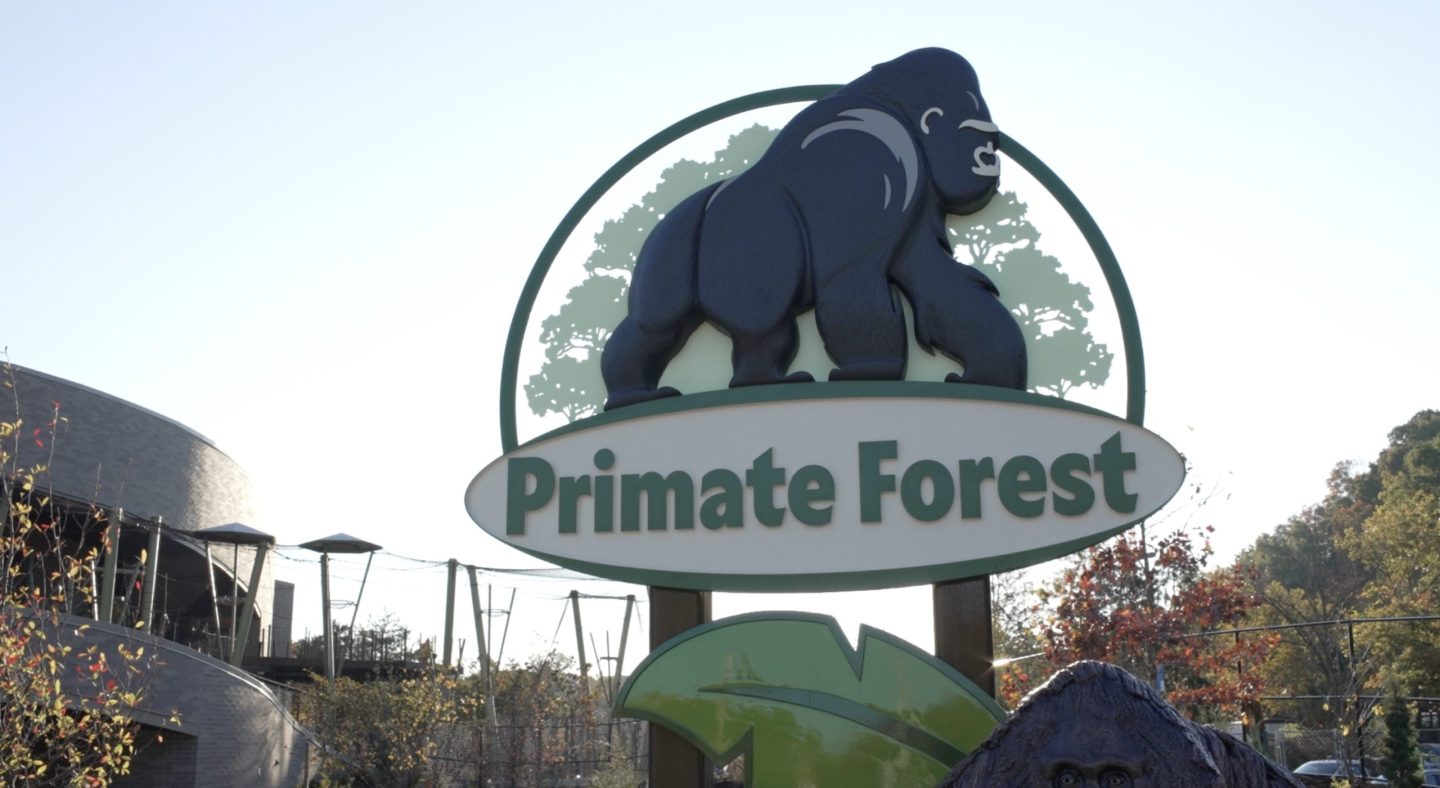
Cleveland Metroparks Zoo Primate Forest
Every breath we take depends on forests. Yet most of us experience them only as distant places, disconnected from our daily lives. The integration of habitat and interactive exhibition at Cleveland Metroparks Zoo’s new Forest Home invites visitors to see forests differently, not as habitats for animals alone, but as living systems that shape the future of every species, including our own.
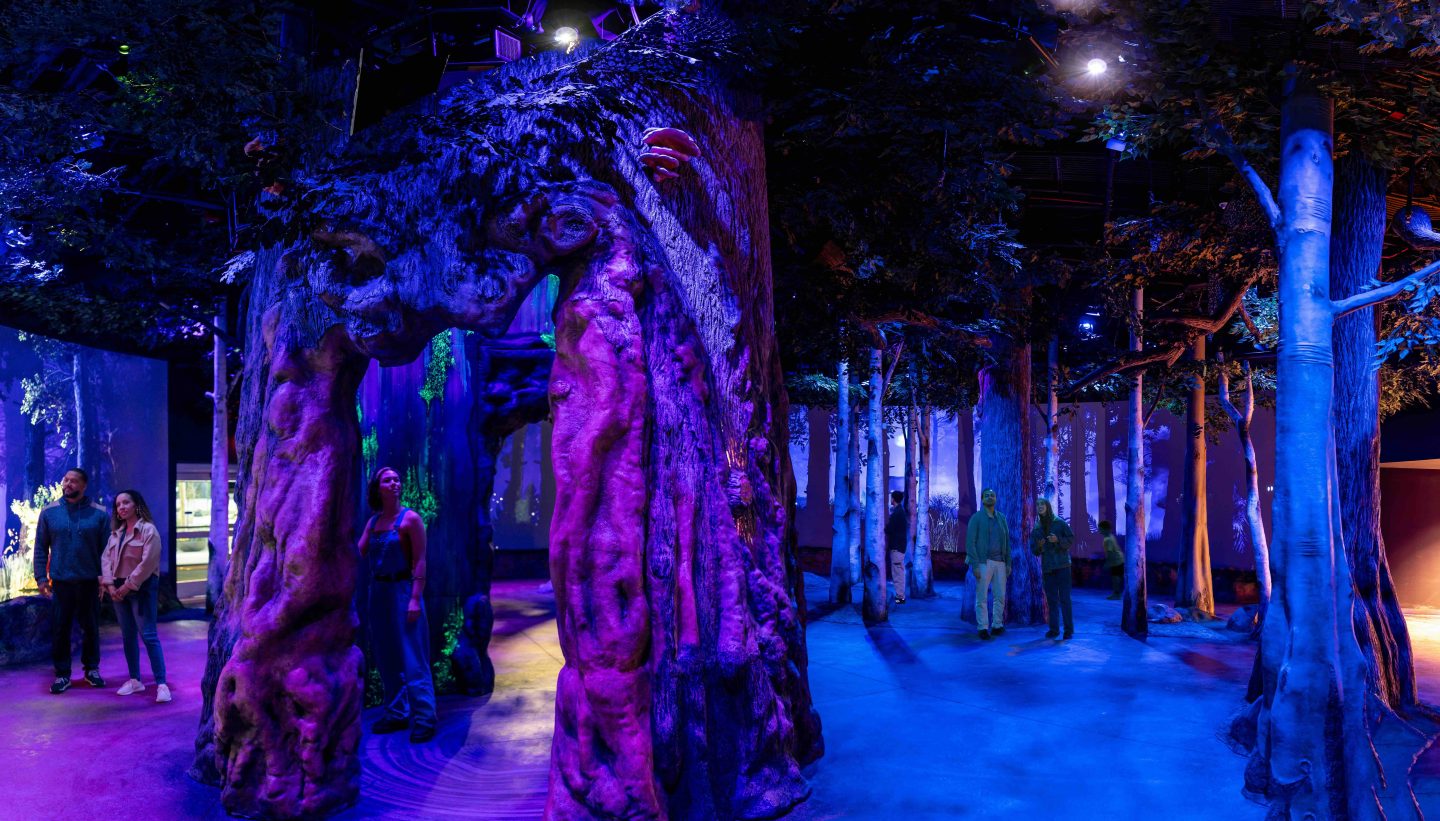
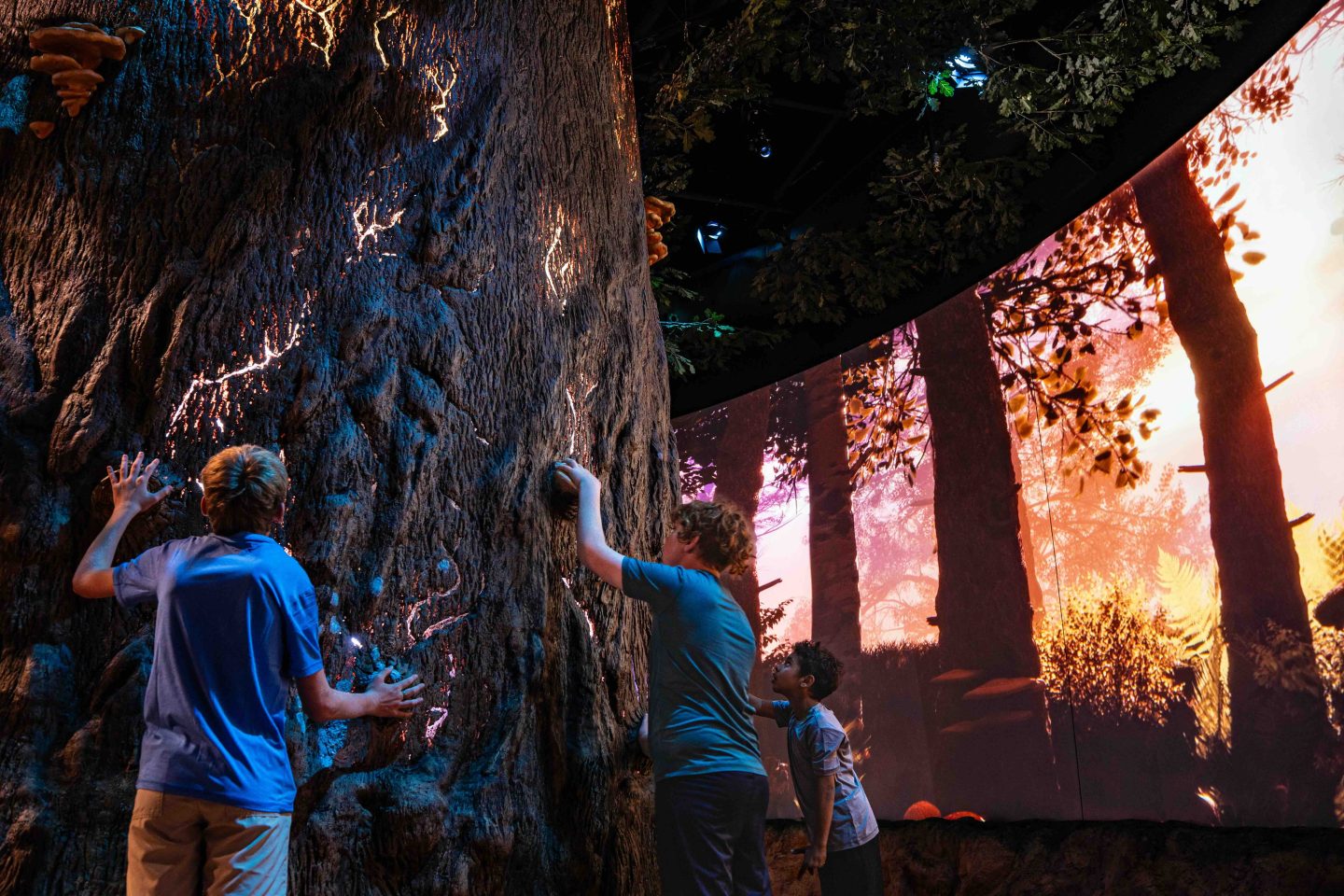
The two-floor experience prioritizes emotion over facts, greeting guests with a hyper-real immersive recreation of an Ohio woodland as soon as they enter.
At the center of the exhibit, visitors touch a towering “Mother Tree”, sending a pulse of light from root to canopy, visibly linking visitors to the whole forest.
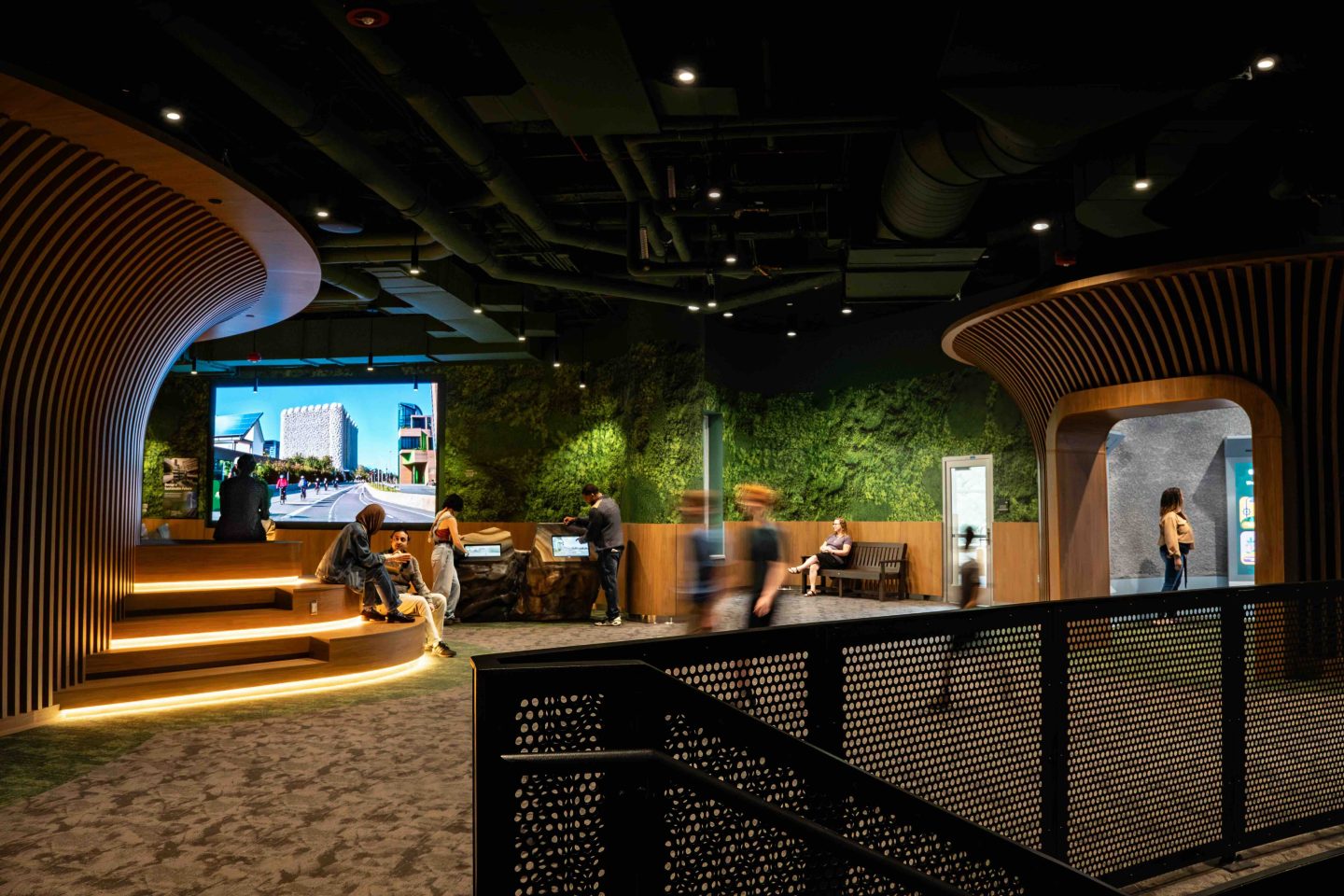
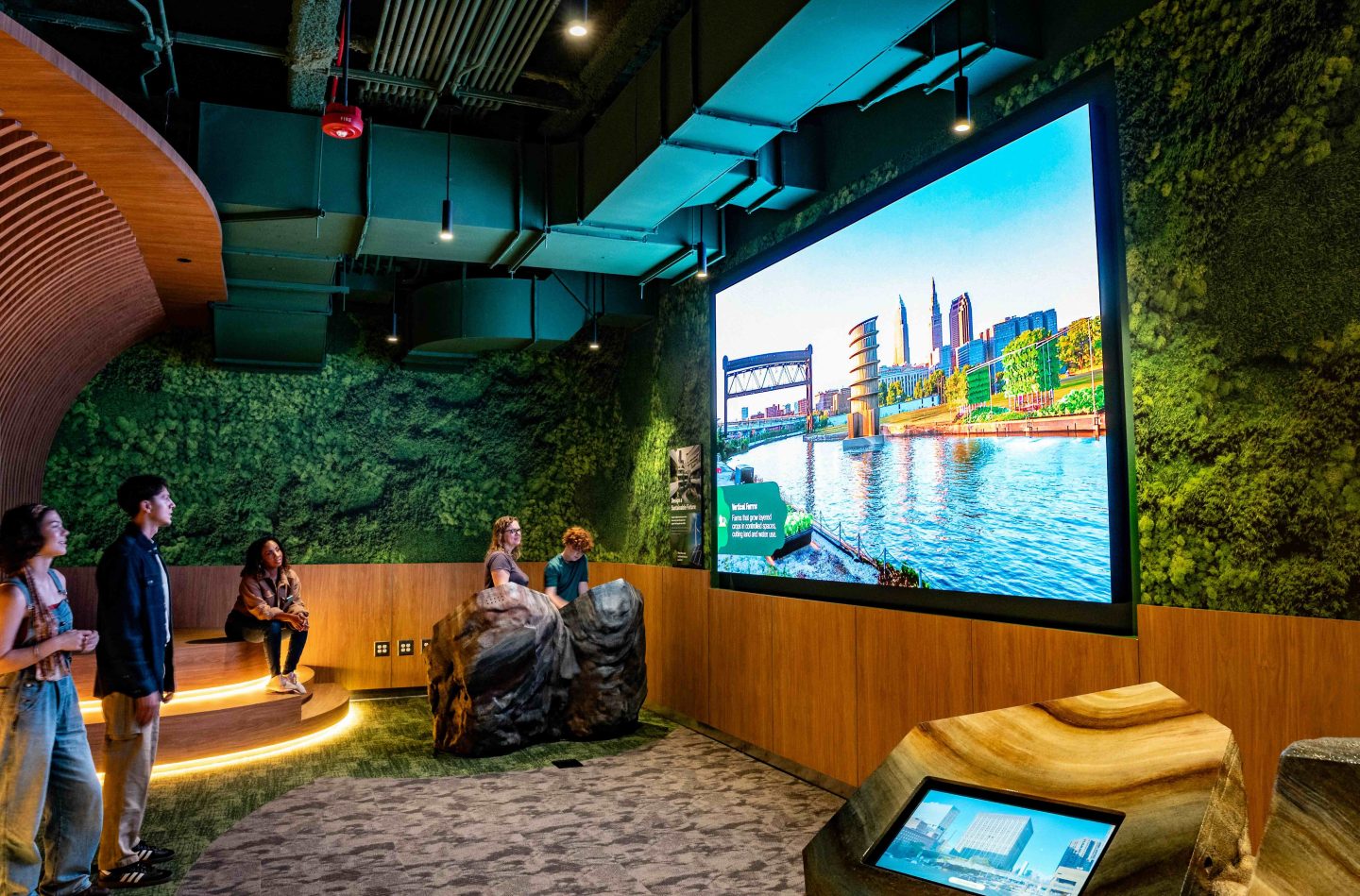
From there, visitors head upstairs to the Sustainable Futures Design Lab, where they use generative AI to add sustainable solutions like green roofs, solar panels, beehives, and bioluminescent bacteria to real Cleveland streetscapes.
It’s one of the first uses of generative AI used in a Zoo exhibit, and hyper-effective in showing just how within reach pro-climate interventions can be, while still tapping into visitors’ imaginations.
L'Oréal's Le Visionnaire
In 1938, L’Oréal opened its headquarters at 14 rue Royale in Paris. Almost a century later, the world’s leading beauty manufacturer tasked us with developing a visitor experience that enhanced L’Oréal’s internal creative capabilities.
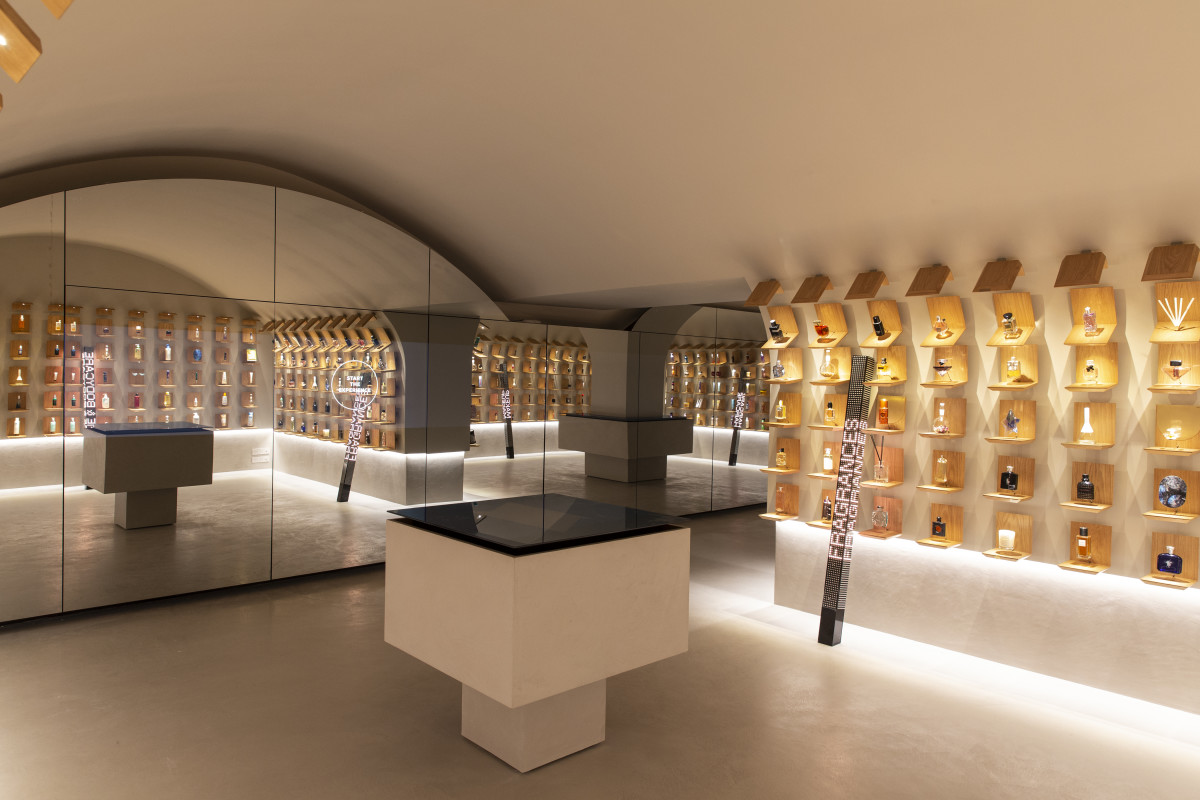
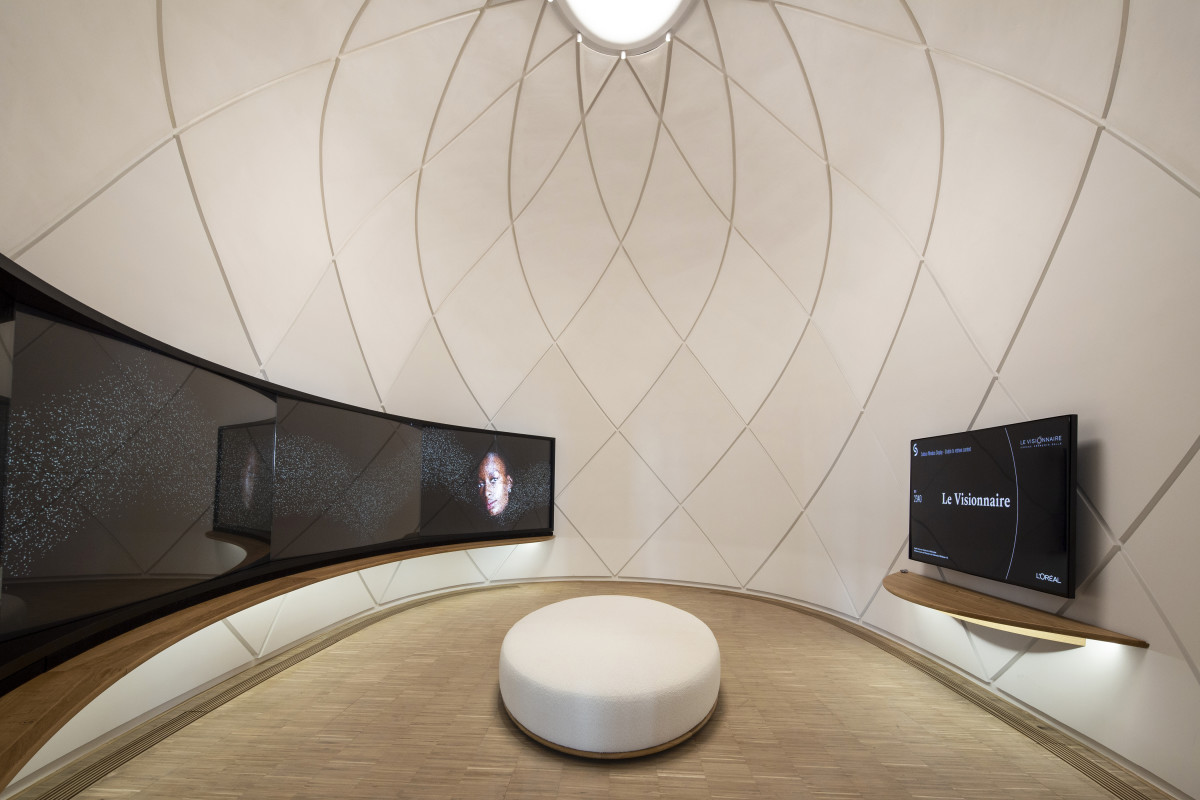
We wanted to help L’Oréal’s creative teams embrace that same spirit while forging a deeper connection between each individual and their sources of inspiration. Three interactive experiences spanning multiple floors bring employees together in physical spaces and serve as tools to catalyze the creative process.
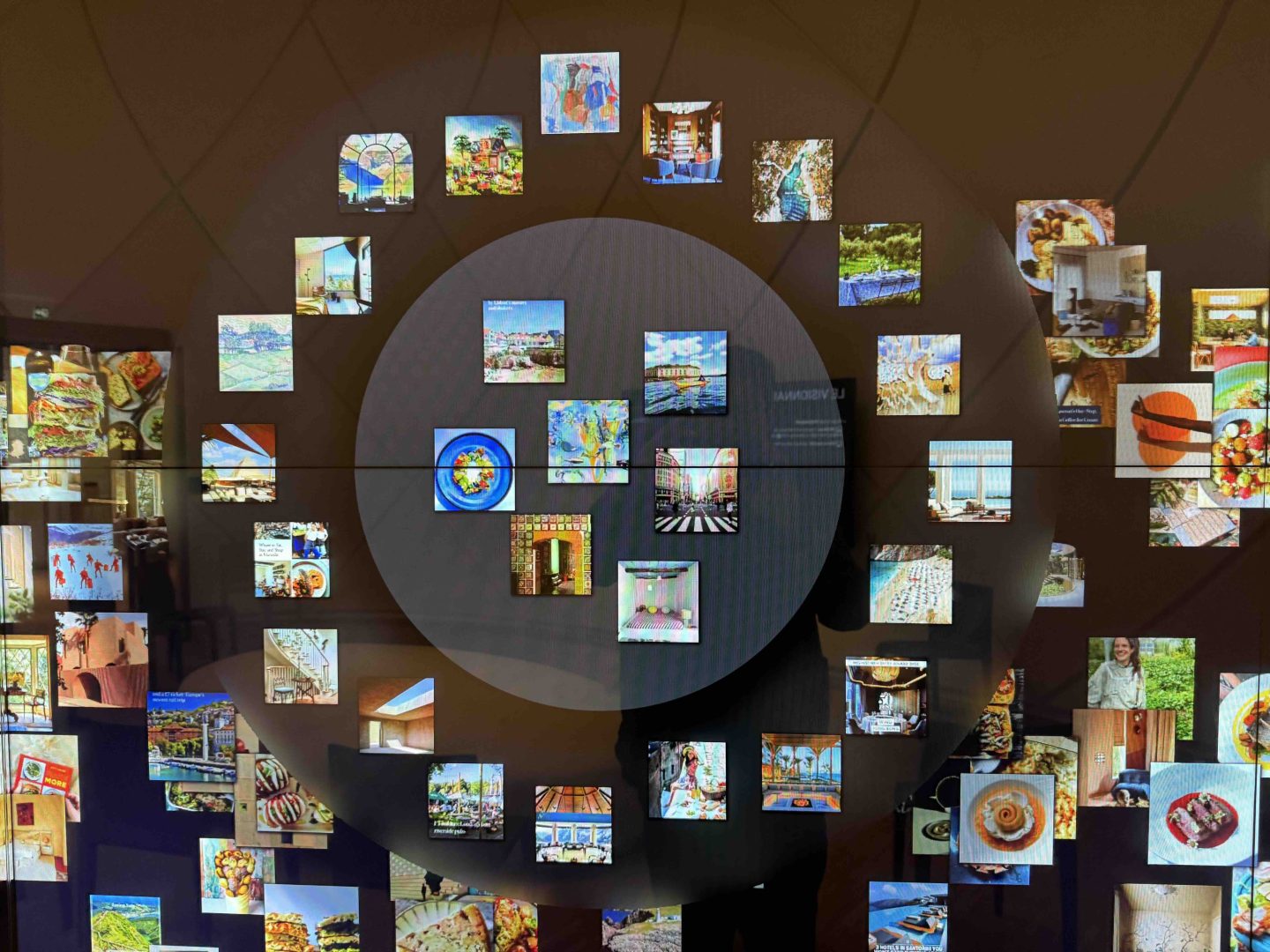
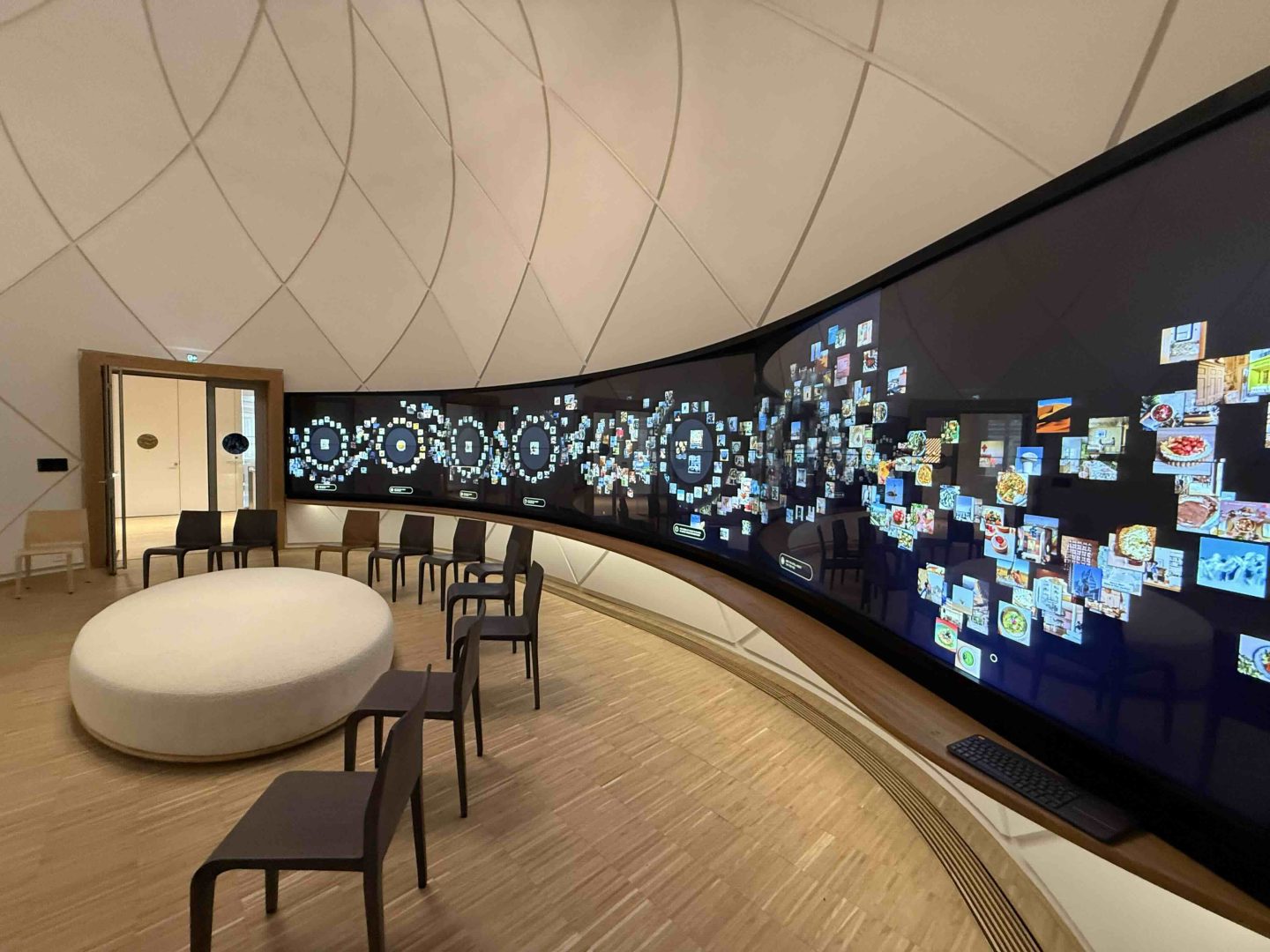
At the heart of Le Visionnaire is the Visionary Wall, where visitors create personalized moodboards from a cascade of live images.
Machine learning curates millions of live images and sorts them by color composition and semantic content, such as shapes, patterns, and architectural features. As visitors make their selections, the Insight Wall learns their taste and preferences and provides new images accordingly.
We were able to integrate and save live Instagram images while abiding by complex privacy regulations, and integrate into L’Oreal’s existing system for all employees to create a seamless experience for teams from any of L’Oreal’s 81 companies visiting from all over the world.